20 Bedroom Ideas for Calm, Comfortable Everyday Homes
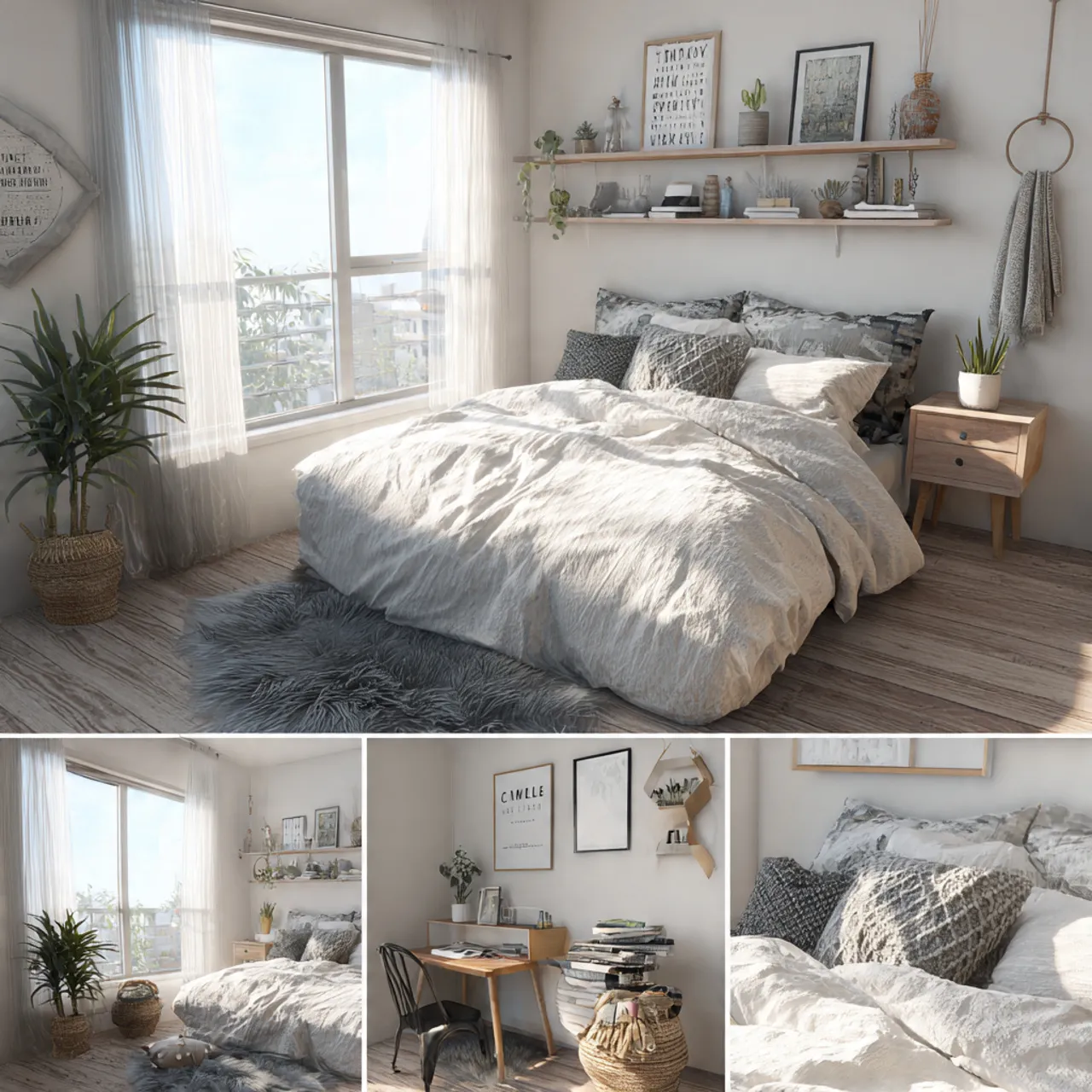
When people talk about bedroom decorating, they’re usually chasing a feeling rather than a look. It’s the sense of walking into a room at the end of the day and immediately exhaling. Bedroom ideas tend to resonate because they sit right at the intersection of rest, routine, and personal comfort. Unlike other rooms, bedrooms don’t need to impress guests or follow trends. They just need to work for the person sleeping there.
Most real homes come with limits. Bedrooms are often smaller than we wish, shaped awkwardly, or shared with someone else’s habits and belongings. That’s why so many people gravitate toward ideas that feel adaptable instead of styled to perfection. A bedroom that looks lived-in, slightly layered, and thoughtfully arranged often feels calmer than one that looks untouched.
I’ve noticed that the ideas people save and return to are rarely about dramatic transformations. They’re about subtle shifts—moving the bed, softening the lighting, clearing visual noise. Bedroom ideas offer ways to adjust what already exists, rather than replacing everything. They allow comfort to lead the process, even when space, time, and energy are limited. That’s what makes this category feel so personal and so widely shared across everyday homes.
Importance of bedroom ideas
Bedroom ideas shape how a space supports daily life, often in quiet ways that only become obvious over time. The bedroom is usually the first place we see in the morning and the last place we occupy at night, which means its layout and atmosphere influence our routines more than we realize. When the room feels balanced and easy to move through, mornings tend to feel less rushed and evenings less restless.
In a real home, bedroom ideas help solve small but persistent problems. They address where clothes land at the end of the day, how light enters in the morning, and how noise or clutter affects rest. Even modest changes, like rethinking furniture placement or softening hard edges with textiles, can make the room feel more supportive without making it feel styled or fragile.
These ideas are saved repeatedly on Pinterest because they translate well across different homes. A shared apartment bedroom, a family home, or a rental with restrictions all benefit from the same core thinking: make the room functional first, then comfortable, then visually calm. Bedroom ideas aren’t about copying an exact setup. They’re about noticing patterns that work in many situations and adapting them to personal habits. Over time, this approach creates rooms that feel stable, familiar, and easy to live in, even as life around them changes.
20 bedroom ideas
1. Grounded bed placement for better flow
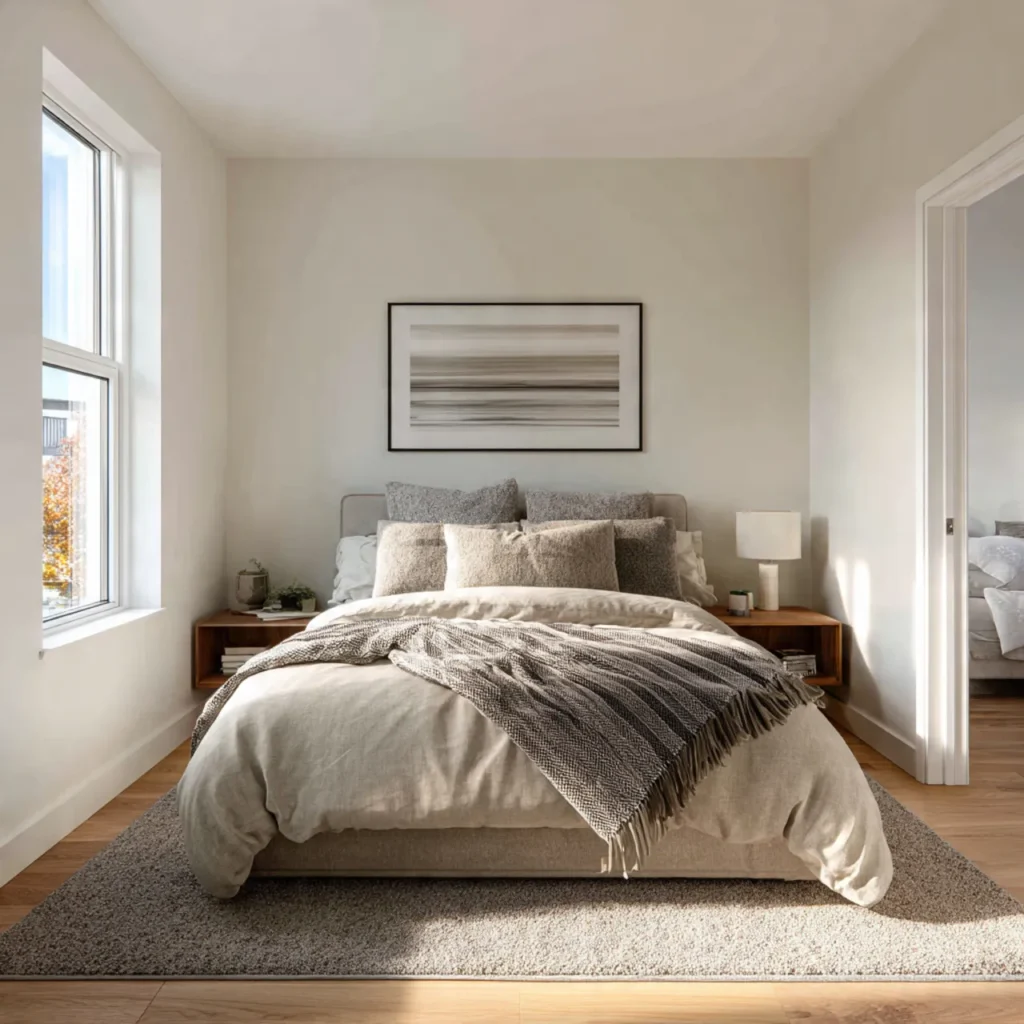
Placing the bed in a grounded position can change how the entire room feels. In many homes, the bed ends up pushed wherever it fits, sometimes blocking windows or cutting off walking paths. A more thoughtful placement allows space to move around both sides, even if the clearance is minimal. This helps the room feel less cramped and more intentional.
In everyday use, a centered bed often supports smoother routines. Making the bed becomes easier, nightstands are more functional, and the room feels balanced when you walk in. In smaller spaces, even shifting the bed a few inches away from a wall can improve circulation. The goal isn’t symmetry for appearance, but ease of movement and a sense that the room works with you rather than against you.
2. Layered lighting instead of one bright source
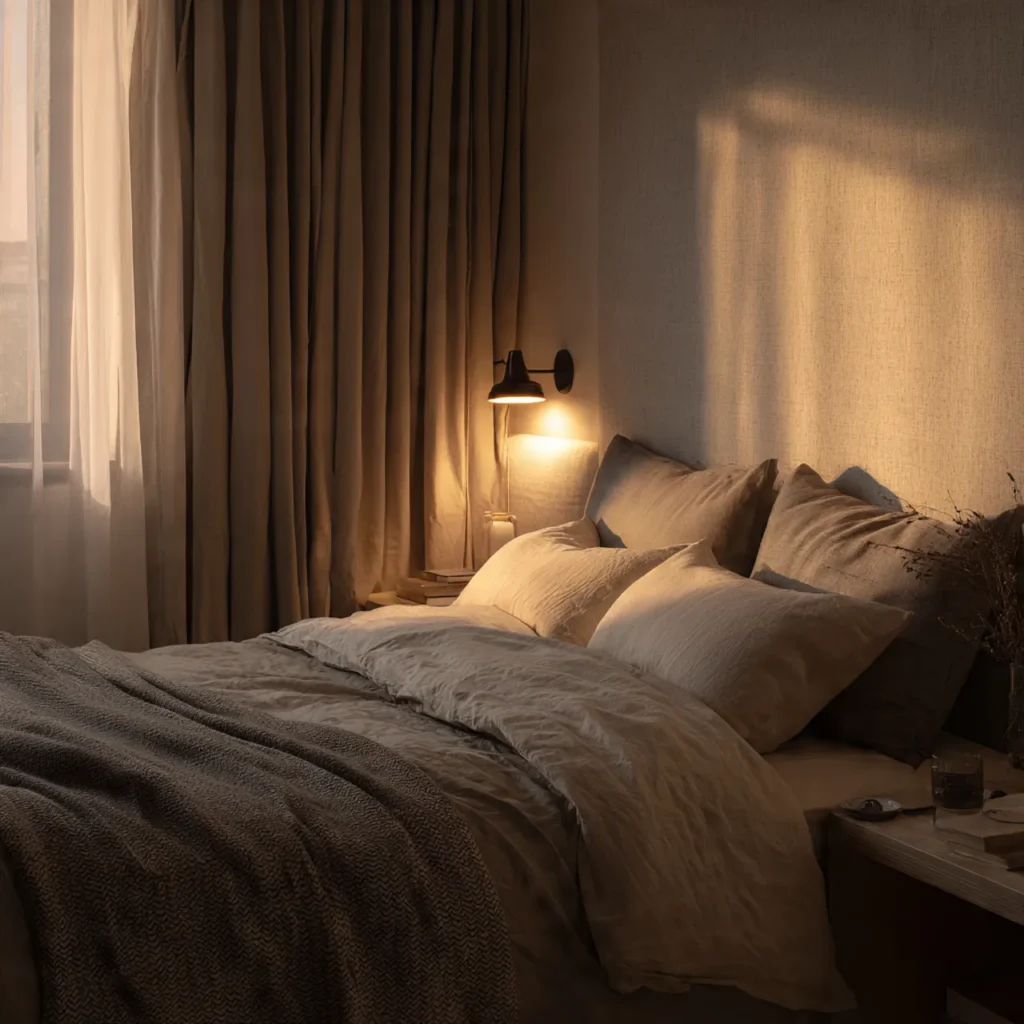
Relying on a single overhead light tends to flatten a bedroom. Layered lighting introduces softer options that adapt to different moments of the day. A combination of low, mid-level, and indirect light creates flexibility without adding visual clutter.
In real homes, this might look like a bedside lamp for reading, a wall-mounted light for general glow, and natural light managed with simple coverings. This setup supports winding down at night and easing into the morning without harsh brightness. Maintenance stays simple because each light has a purpose. Over time, layered lighting makes the room feel calmer and more personal, especially during quiet evening routines.
3. Neutral walls with subtle texture
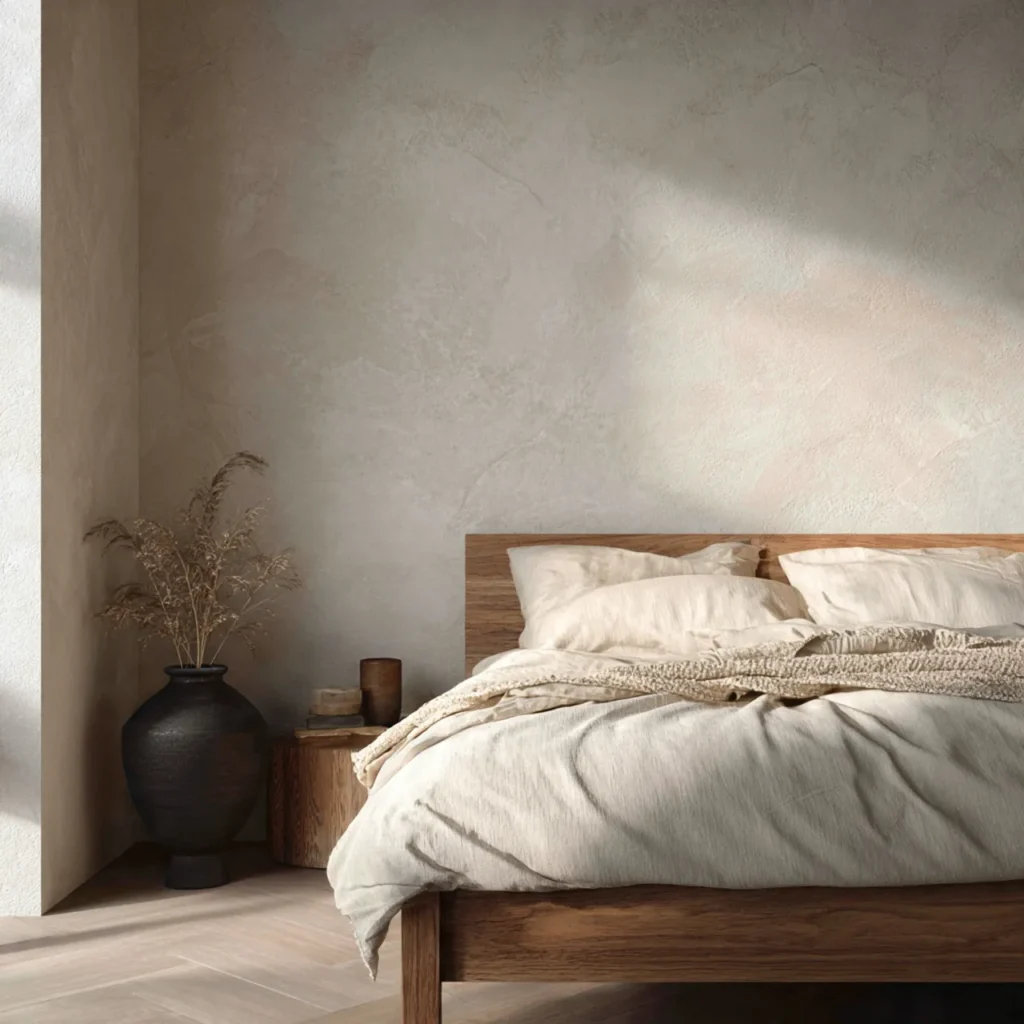
Neutral walls don’t have to feel flat or unfinished. In many bedrooms, they act as a quiet backdrop that lets other elements settle naturally. Adding subtle texture—through paint finish, fabric wall hangings, or plaster-like surfaces—creates depth without overwhelming the space.
This approach works especially well in small or shared bedrooms where bold colors might feel heavy. Texture adds interest while keeping the mood relaxed. From a daily perspective, neutral textured walls are forgiving. They don’t show wear easily and adapt well as bedding, furniture, or habits change. The room evolves without needing a full repaint every time something shifts.
4. Flexible storage that stays visible
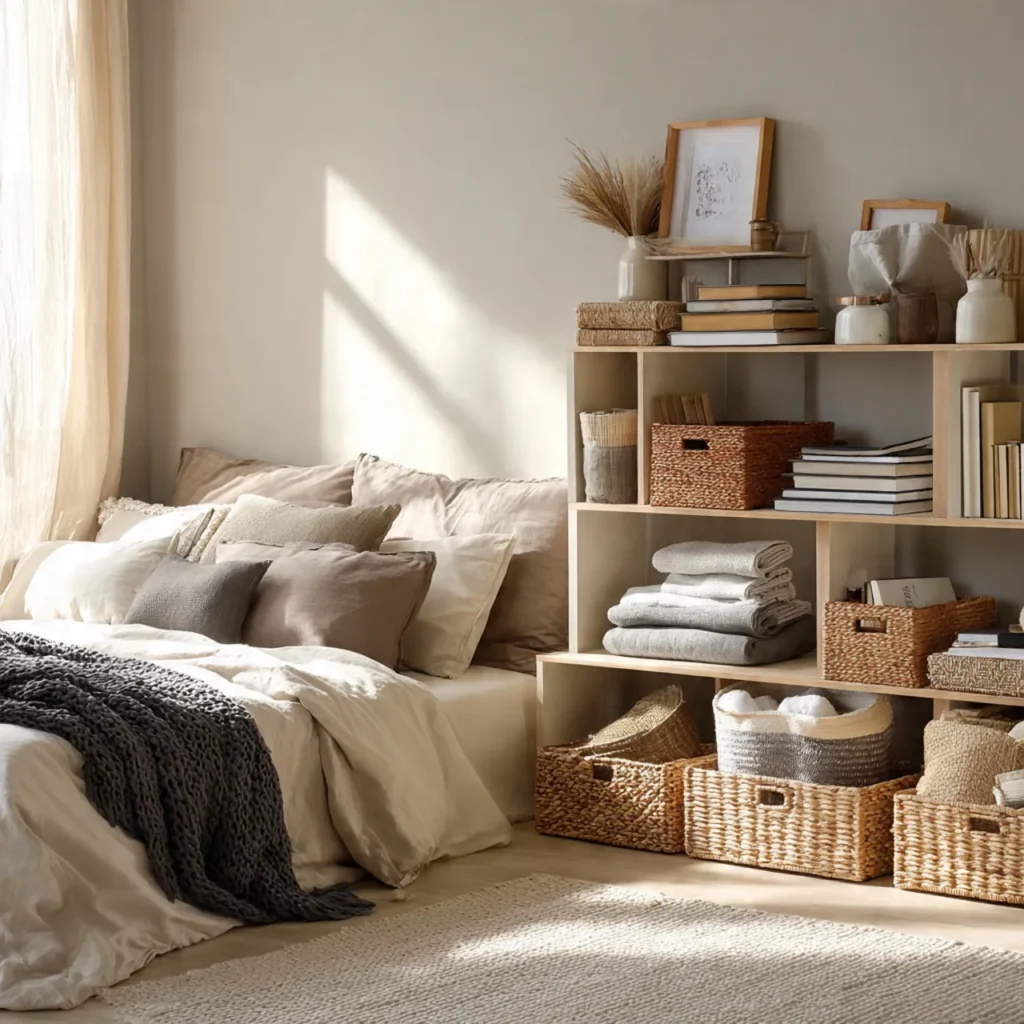
Hidden storage isn’t always practical in bedrooms used every day. Visible, flexible storage acknowledges real habits while keeping the room organized. Open shelving, low cabinets, or baskets allow frequently used items to stay accessible without piling up.
In lived-in spaces, this kind of storage reduces friction. Clothes, books, or daily essentials have a place that doesn’t require constant rearranging. When storage is easy to use, clutter naturally decreases. The key is keeping the layout intentional so items feel contained rather than scattered. Over time, visible storage supports routines instead of fighting them.
5. Soft textiles that absorb sound and light
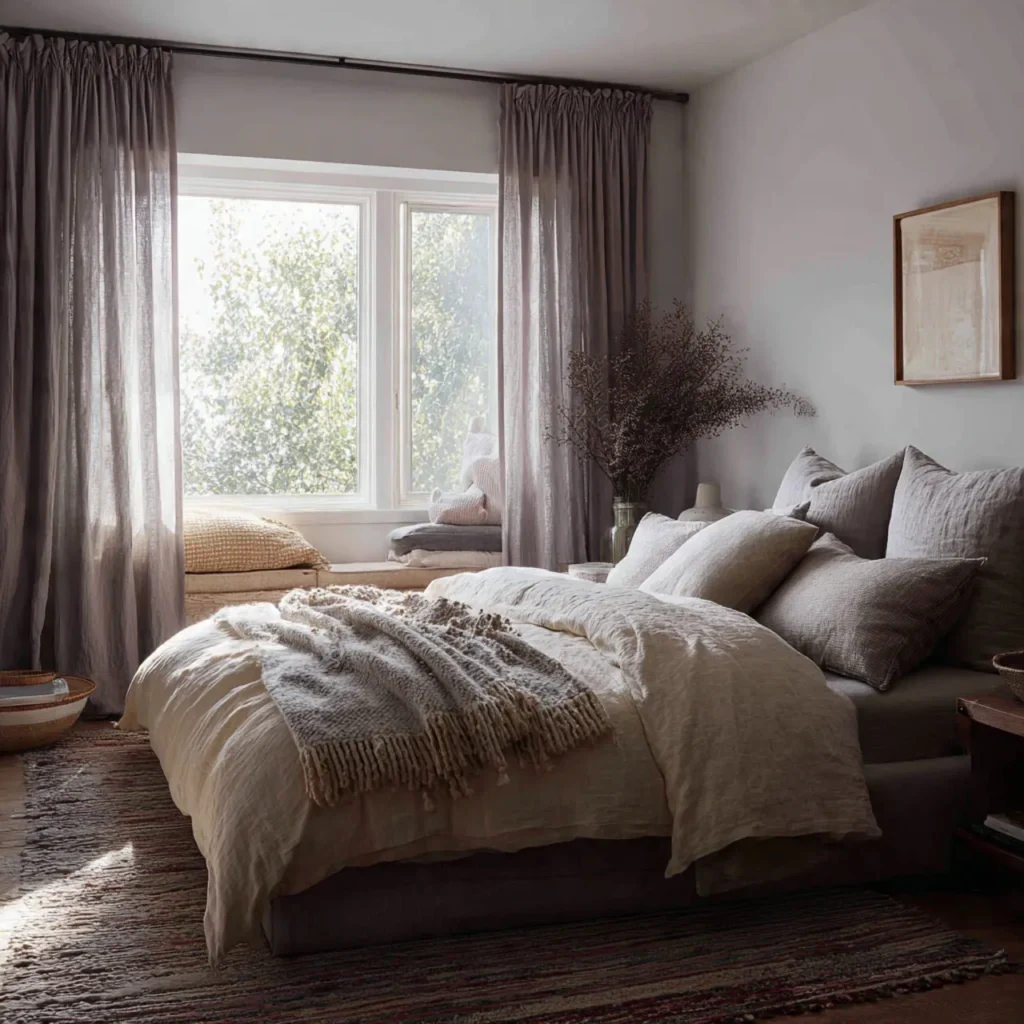
Bedrooms benefit from materials that soften the environment both visually and acoustically. Textiles like curtains, rugs, and layered bedding help absorb sound, making the room quieter and more restful. They also diffuse light, reducing glare and sharp contrast.
In everyday homes, these elements don’t need to match perfectly. Slight variation in texture and weight adds comfort without looking busy. Soft textiles also offer flexibility across seasons. Switching layers as temperatures change keeps the room functional year-round. This approach supports rest in a practical way, especially in homes where noise or light control is limited.
6. Low-profile furniture for smaller rooms
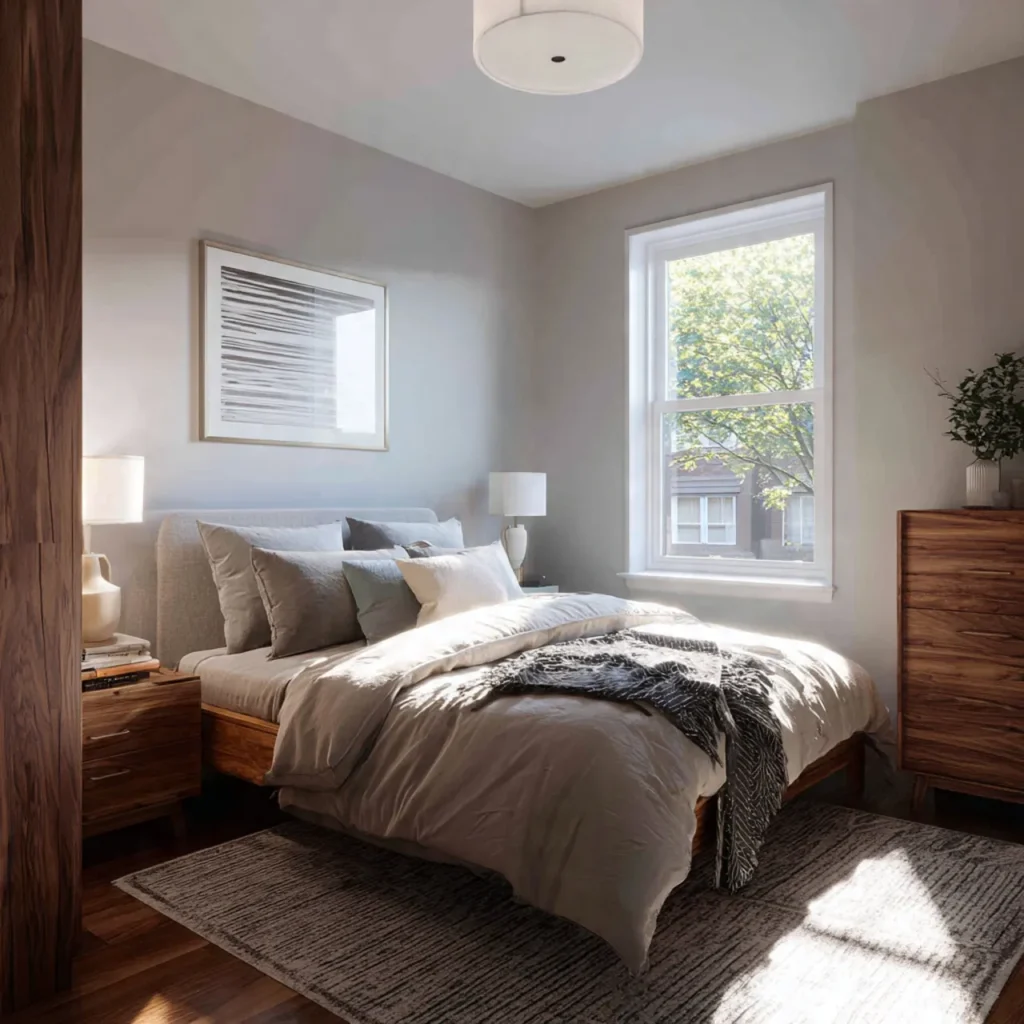
Low-profile furniture helps bedrooms feel more open without removing essential pieces. Beds, dressers, and seating that sit closer to the floor reduce visual weight and allow the eye to travel across the room more easily.
In tight layouts, this can make a noticeable difference. Lower furniture often leaves more wall space visible, which creates a sense of breathing room. Daily use remains comfortable because the furniture still serves its purpose. Over time, this setup helps small bedrooms feel less crowded and more adaptable as needs change.
7. Thoughtful use of wall space
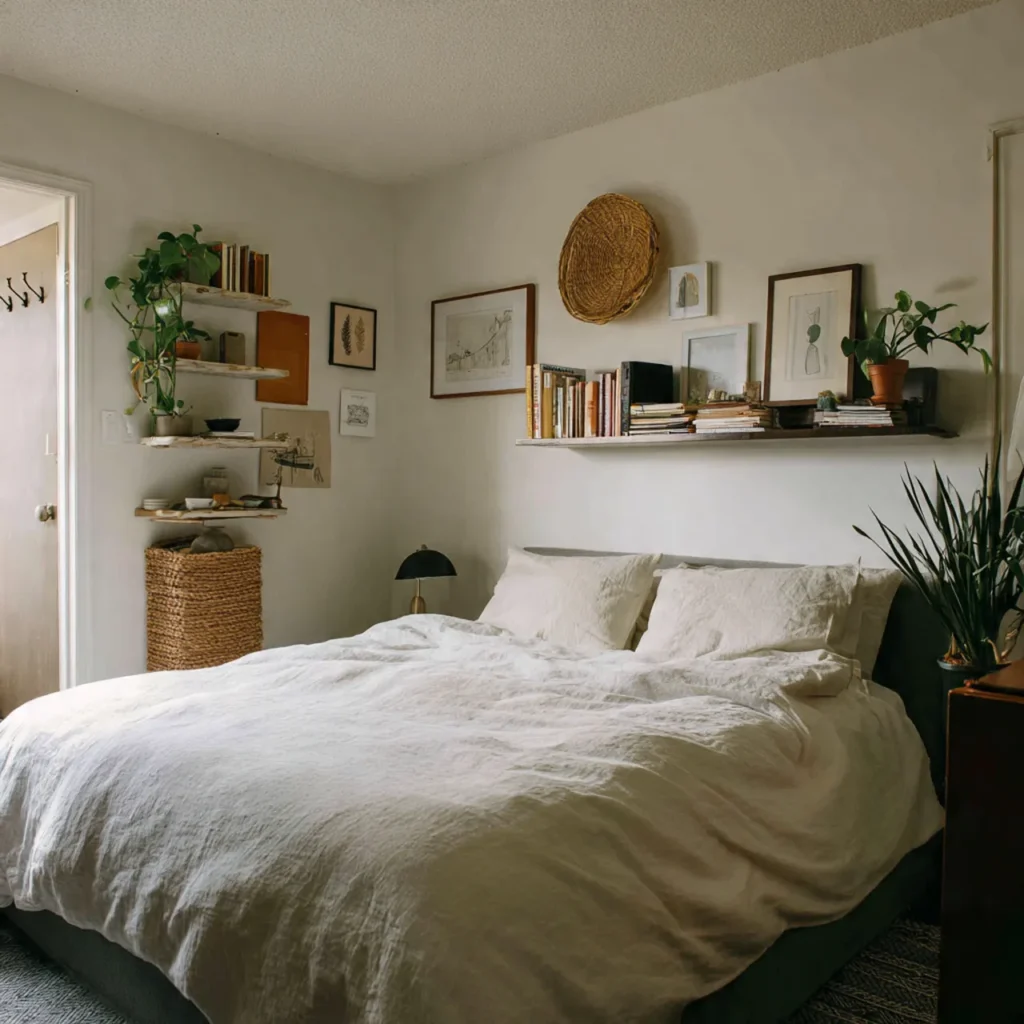
Wall space is often underused or overfilled. Thoughtful use focuses on balance rather than coverage. A few well-placed items—art, shelves, or hooks—can support both function and atmosphere.
In real homes, walls often need to work harder, especially in bedrooms without much floor space. Hanging items at comfortable heights keeps them usable while maintaining a calm visual line. Avoiding overcrowding allows each piece to breathe. This approach supports daily routines while keeping the room from feeling visually noisy.
8. Bedding that feels relaxed, not styled
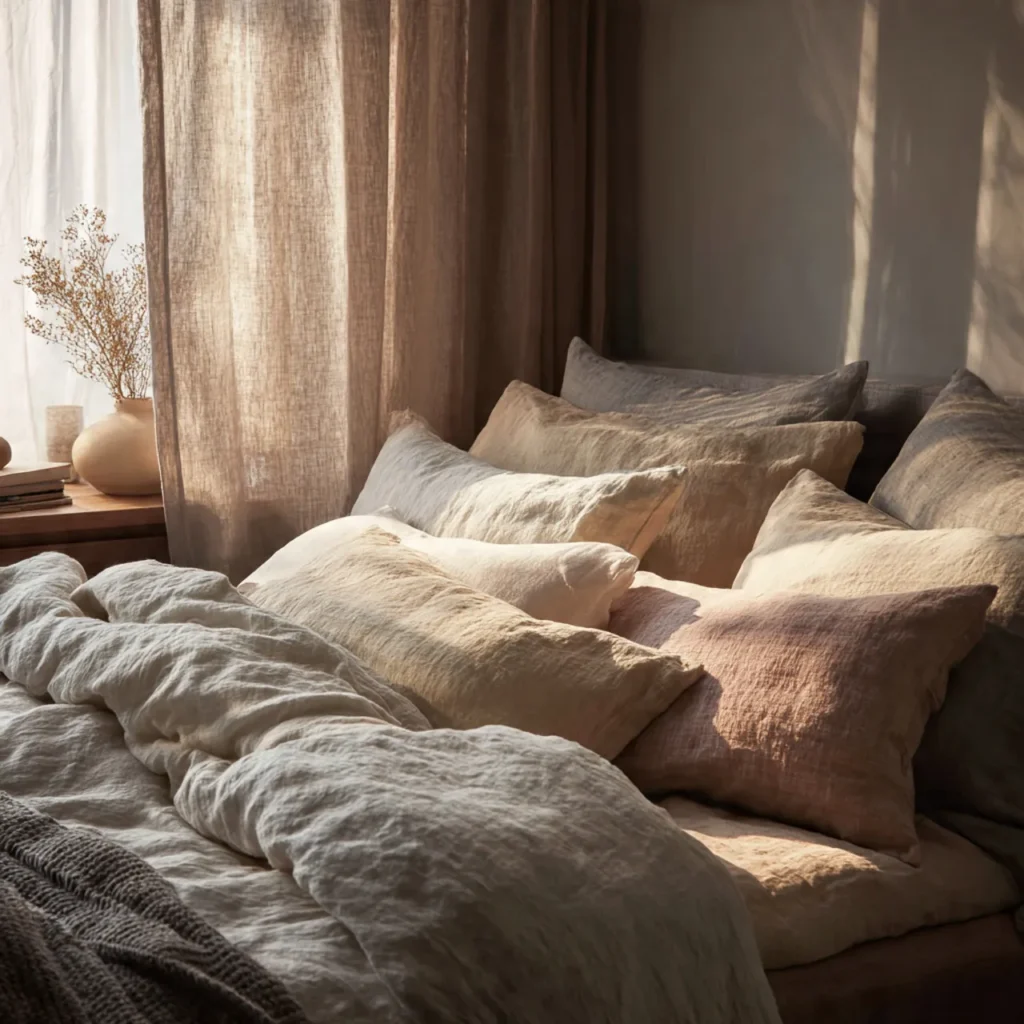
Bedding plays a major role in how a bedroom feels during everyday use. When bedding looks too styled, it can feel fragile or high-maintenance. A more relaxed approach focuses on comfort and ease of care.
In lived-in homes, slightly rumpled layers often feel more inviting than tightly arranged sets. Mixing textures rather than patterns keeps the look calm. From a practical standpoint, this makes making the bed quicker and less rigid. Over time, bedding that prioritizes comfort supports better rest and a more natural-looking space.
9. Nightstands that fit real habits
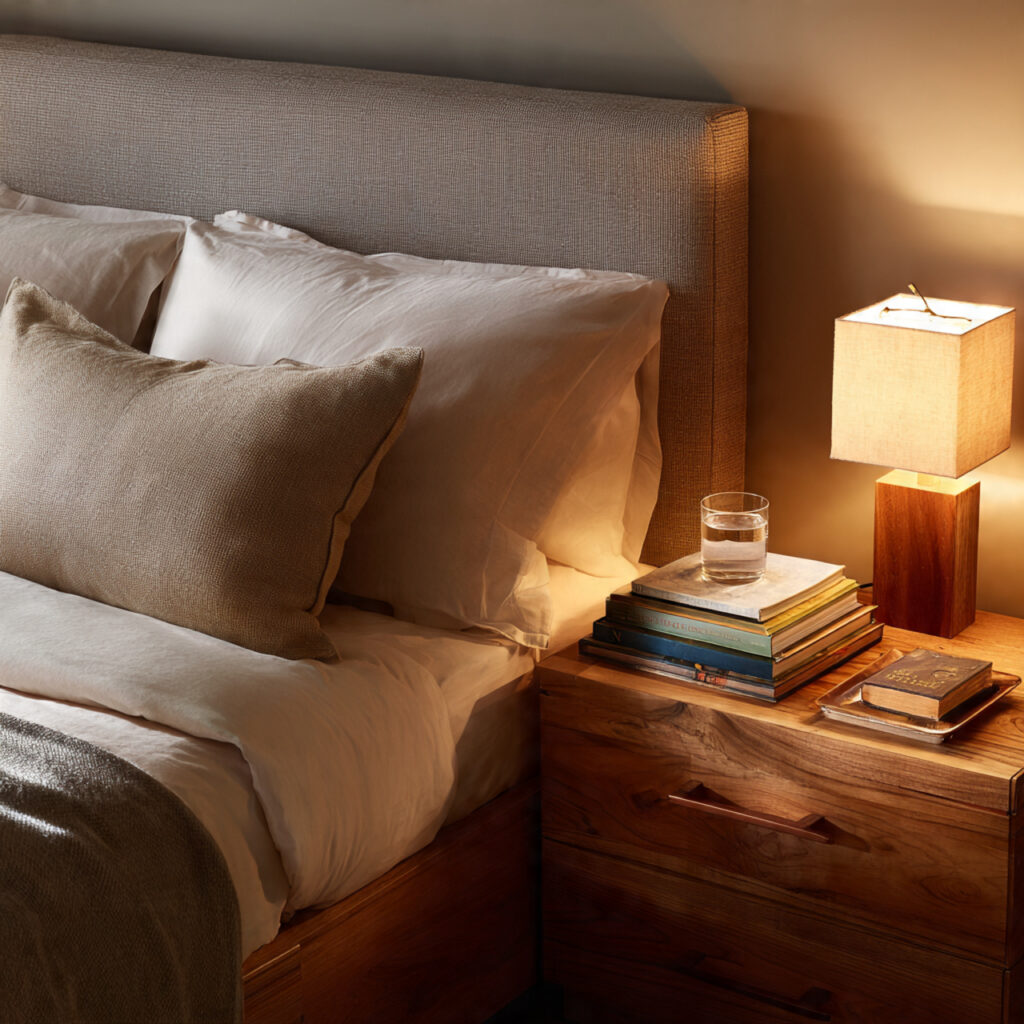
Nightstands often end up too small or too decorative to handle daily use. Choosing ones that fit actual habits—books, glasses, water, devices—reduces clutter elsewhere in the room.
In shared or compact bedrooms, even a simple surface at the right height can make a difference. The key is accessibility without overcrowding. When nightstands support real routines, the area around the bed stays calmer. This small adjustment often improves how the room functions day and night.
10. Calm color transitions across the room
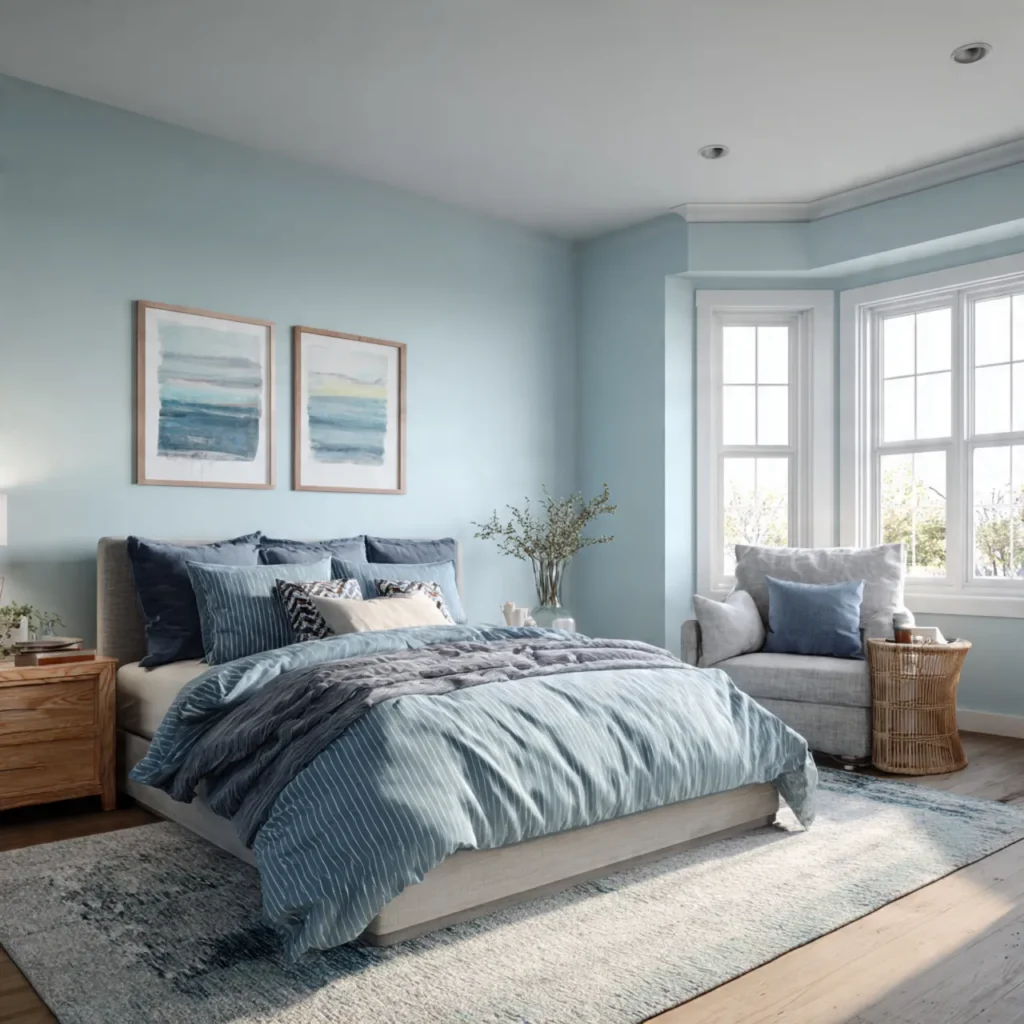
Color transitions affect how smoothly a bedroom feels. When colors shift gradually—from walls to bedding to floors—the room feels cohesive without being rigid.
In everyday spaces, this might mean keeping tones within a similar range while allowing variation in warmth or depth. This approach reduces visual stops and starts, which can feel distracting. Over time, calm transitions make it easier to add or remove items without disrupting the overall mood of the room.
11. Clear pathways for daily movement
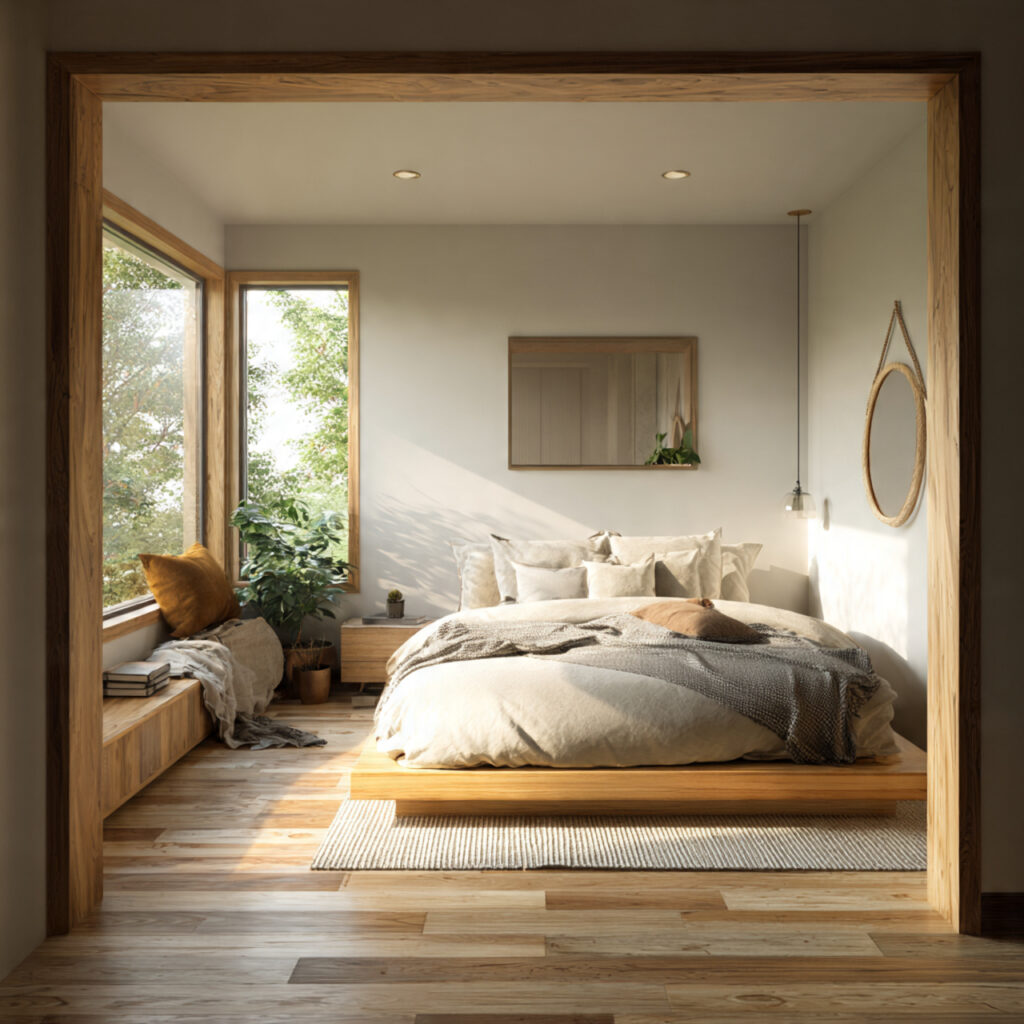
Bedrooms that feel tight often suffer from blocked pathways. Clearing and defining movement paths helps the room function better without changing its size.
In real homes, this may involve moving a chair, adjusting the bed, or reducing furniture depth. The result is a space that feels easier to navigate, especially in low light. Clear pathways reduce frustration during busy mornings and late nights. This functional focus supports comfort without requiring major changes.
12. A simple seating option for pause moments
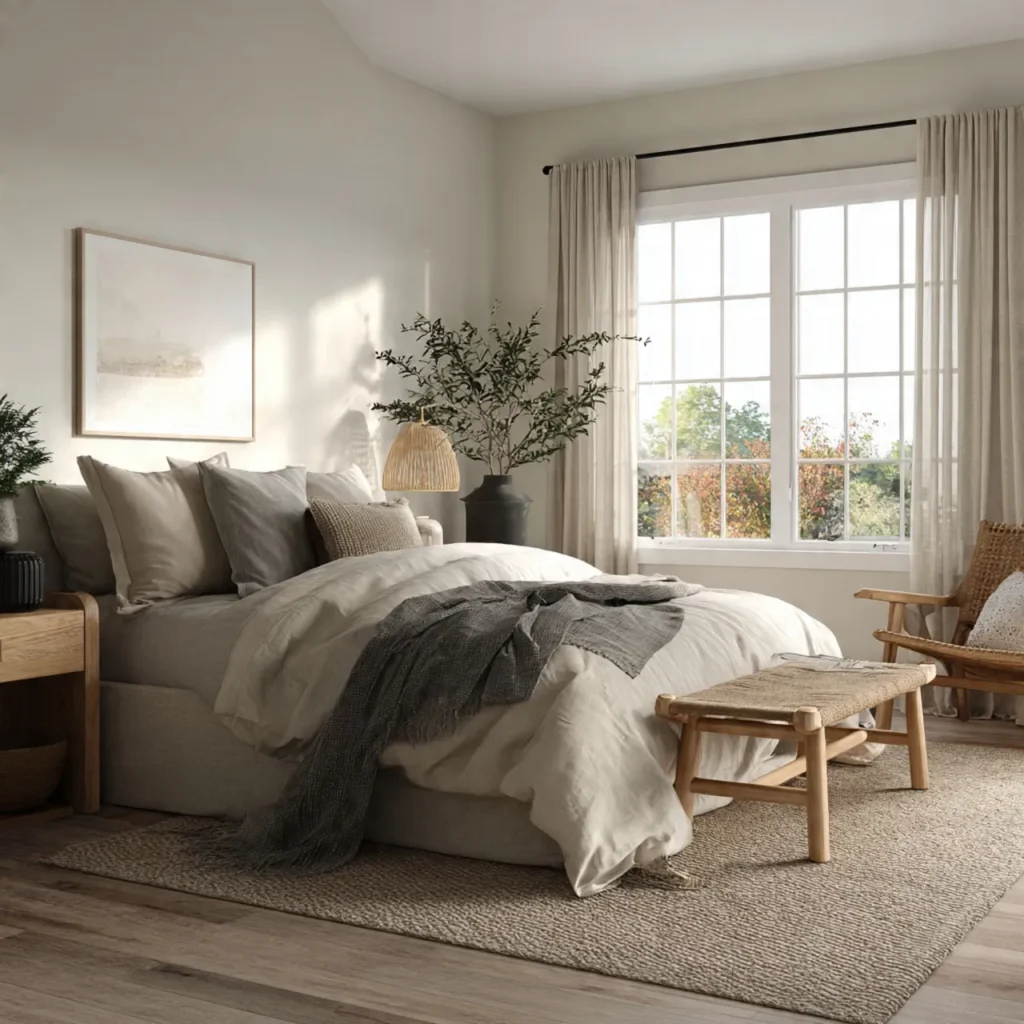
Adding a small seating option creates a place to pause without turning the bedroom into a lounge. A chair or bench provides a spot for dressing, reading, or setting things down.
In everyday use, this reduces the tendency to pile items on the bed or floor. The seating doesn’t need to be large or central. Positioned thoughtfully, it adds function without crowding. Over time, this small addition supports routines and keeps the room more orderly.
13. Balanced use of mirrors
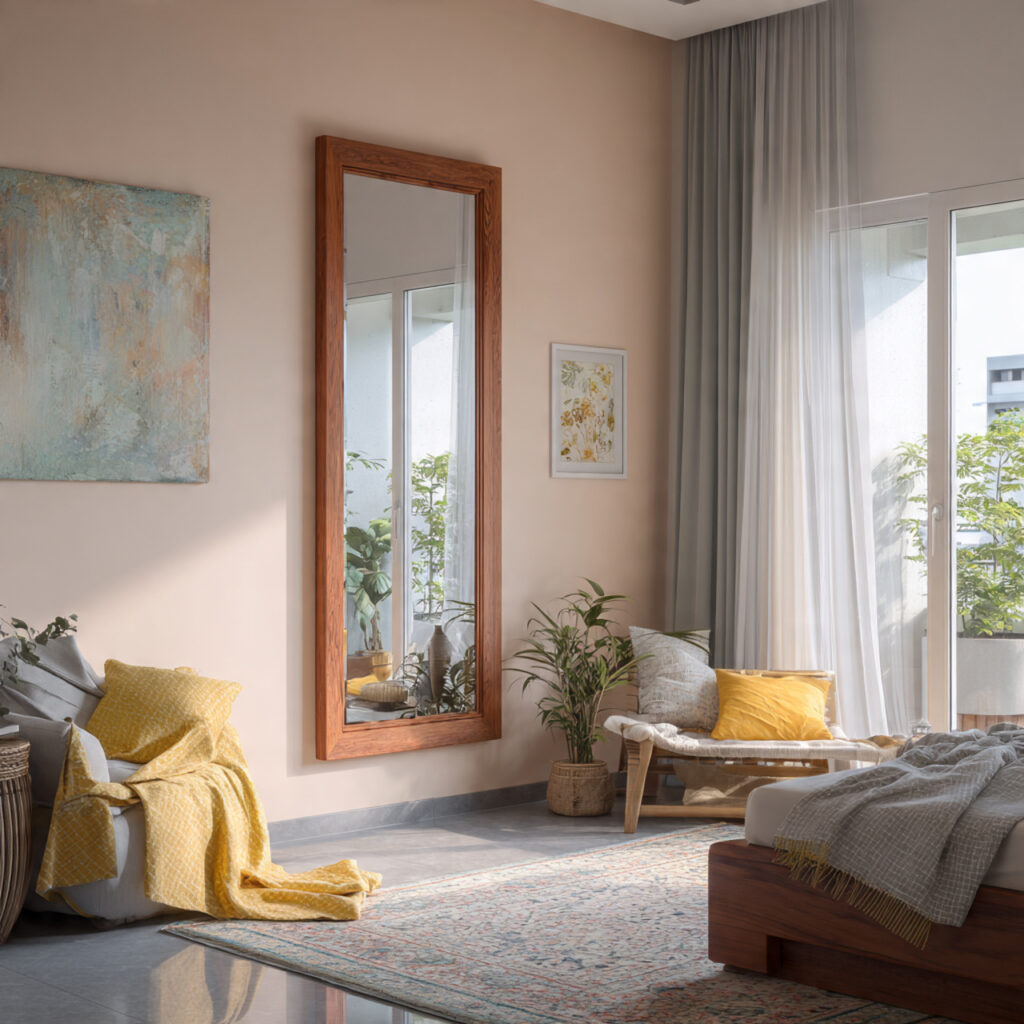
Mirrors can help bedrooms feel brighter and more open when used carefully. Placing them where they reflect light rather than clutter makes a noticeable difference.
In real homes, a mirror near a window or opposite a light source can extend brightness without adding fixtures. Avoiding oversized or overly decorative mirrors keeps the room grounded. Balanced mirror use supports both function and atmosphere without becoming a focal distraction.
14. Personal items edited, not removed
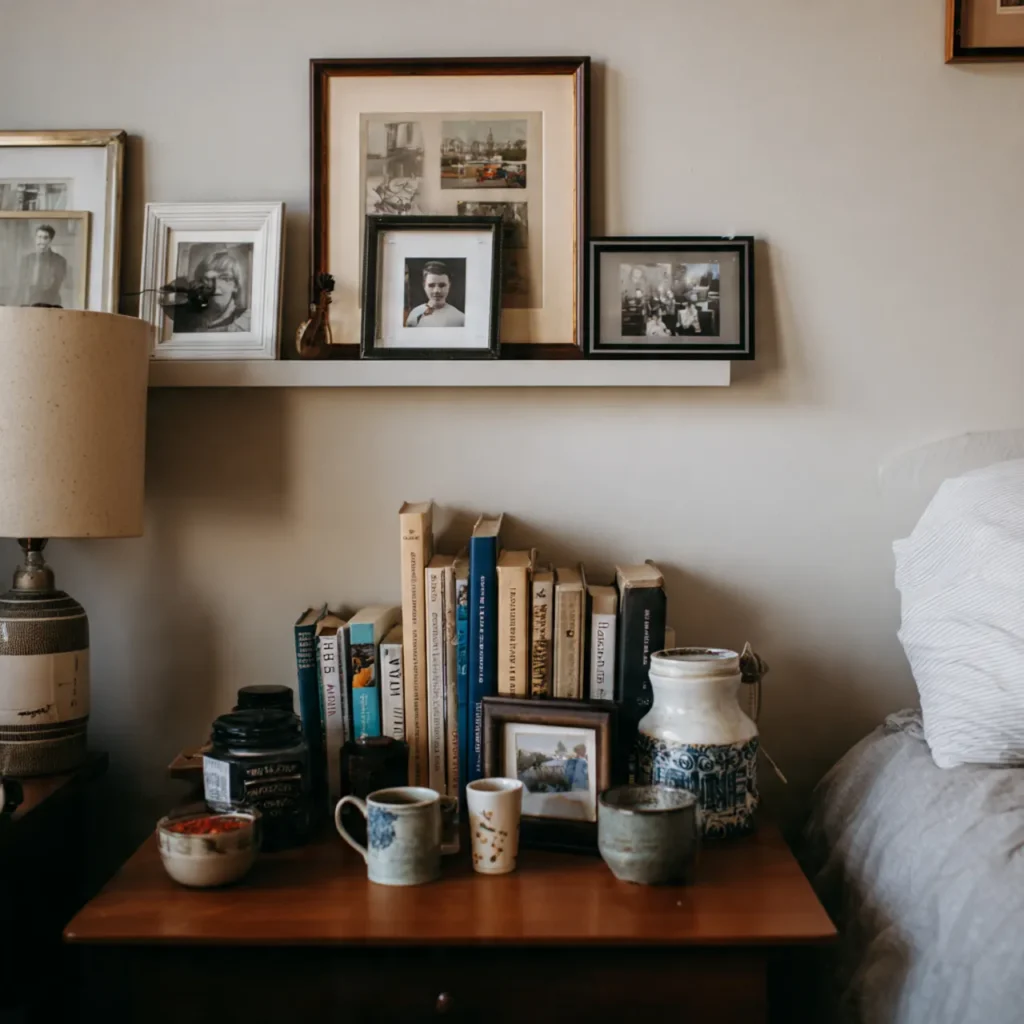
Bedrooms feel more comfortable when they reflect the person living there. The key is editing personal items rather than removing them entirely. Keeping a few meaningful objects visible helps the room feel lived-in.
In daily life, this might mean rotating items or grouping them thoughtfully. Too many pieces can feel chaotic, but too few can feel impersonal. Over time, this balance allows the room to evolve naturally without feeling cluttered or empty.
15. Consistent materials for visual calm
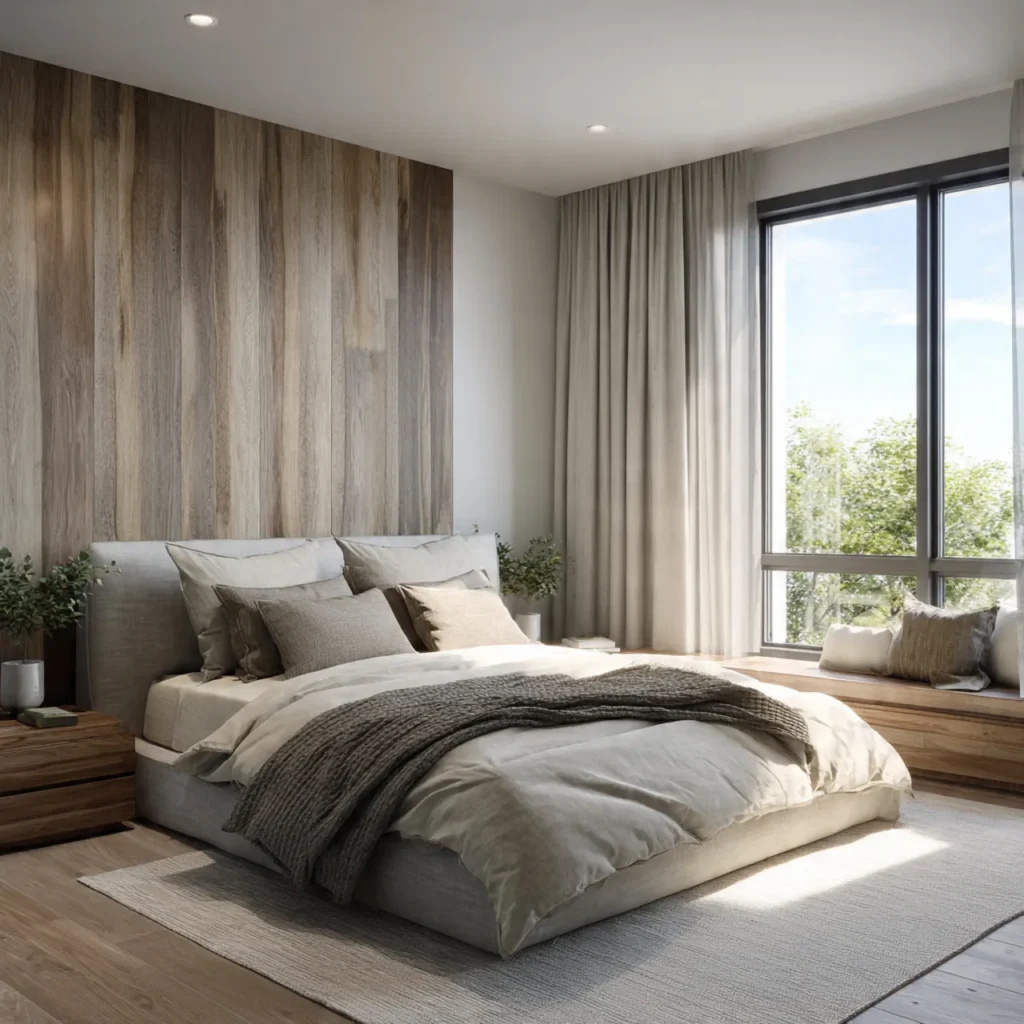
Using a consistent set of materials helps tie a bedroom together. Repeating wood tones, metal finishes, or fabric types creates a subtle rhythm across the room.
In practical terms, this makes the space feel more intentional without strict matching. Everyday wear blends in more easily when materials relate to each other. This approach supports long-term comfort and reduces the urge to constantly adjust or replace items.
16. Window treatments that support rest
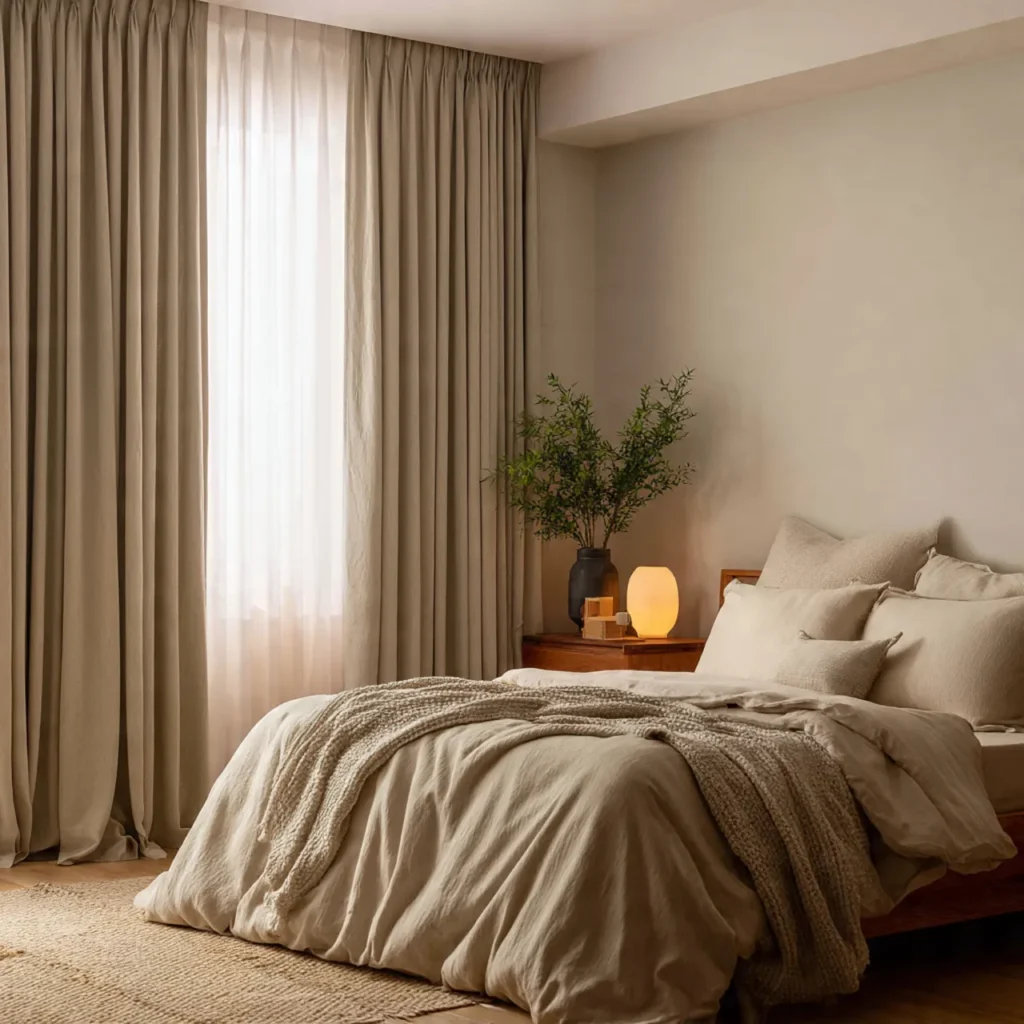
Windows bring in light, but unmanaged light can disrupt rest. Simple window treatments that filter or block light as needed help regulate the bedroom environment.
In real homes, flexibility matters. Treatments that adjust easily throughout the day support different routines. Keeping the look simple avoids visual heaviness. Over time, thoughtful window coverage improves sleep quality and overall comfort.
17. Floor space left intentionally open
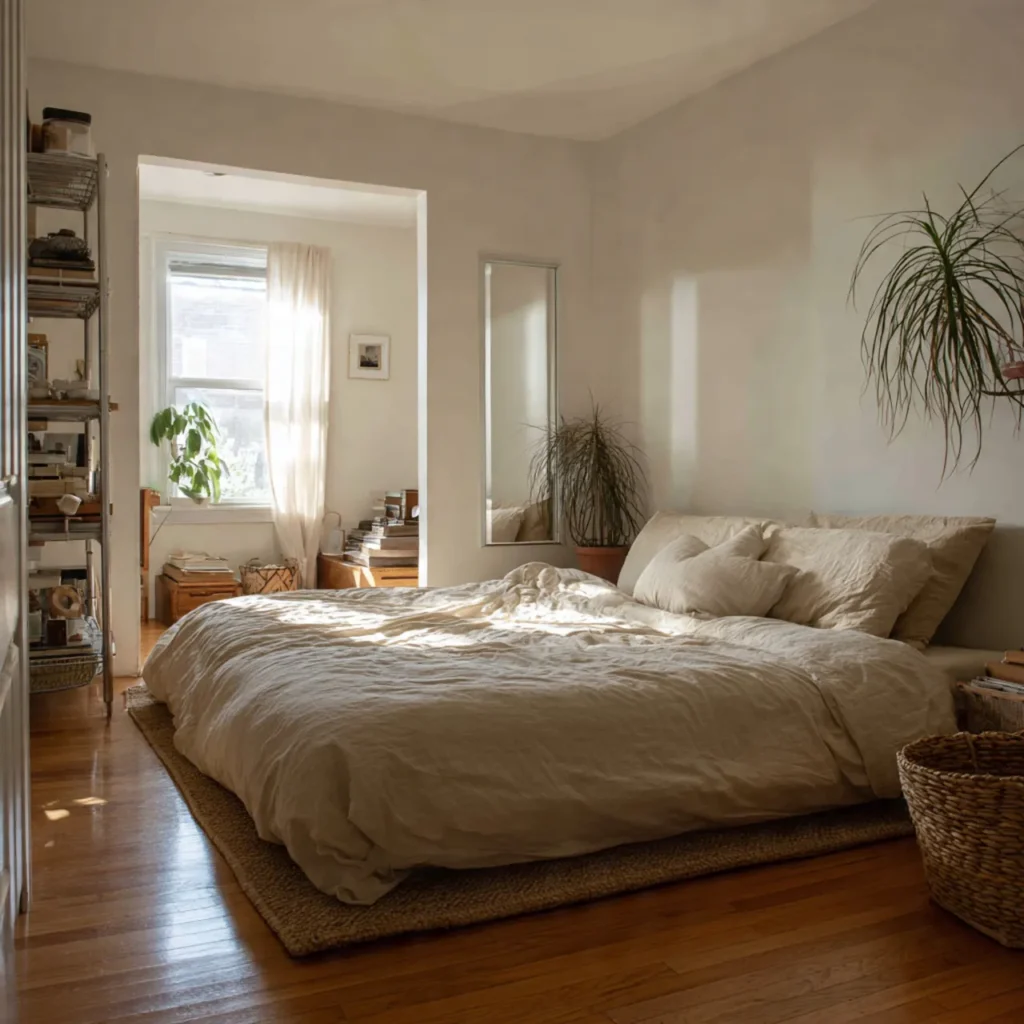
Not every corner of a bedroom needs to be filled. Leaving some floor space open helps the room feel breathable and easier to clean.
In everyday use, open space allows for stretching, dressing, or moving furniture temporarily. It also reduces visual clutter. This intentional emptiness supports a calmer atmosphere and adapts easily as needs change.
18. Subtle pattern used sparingly
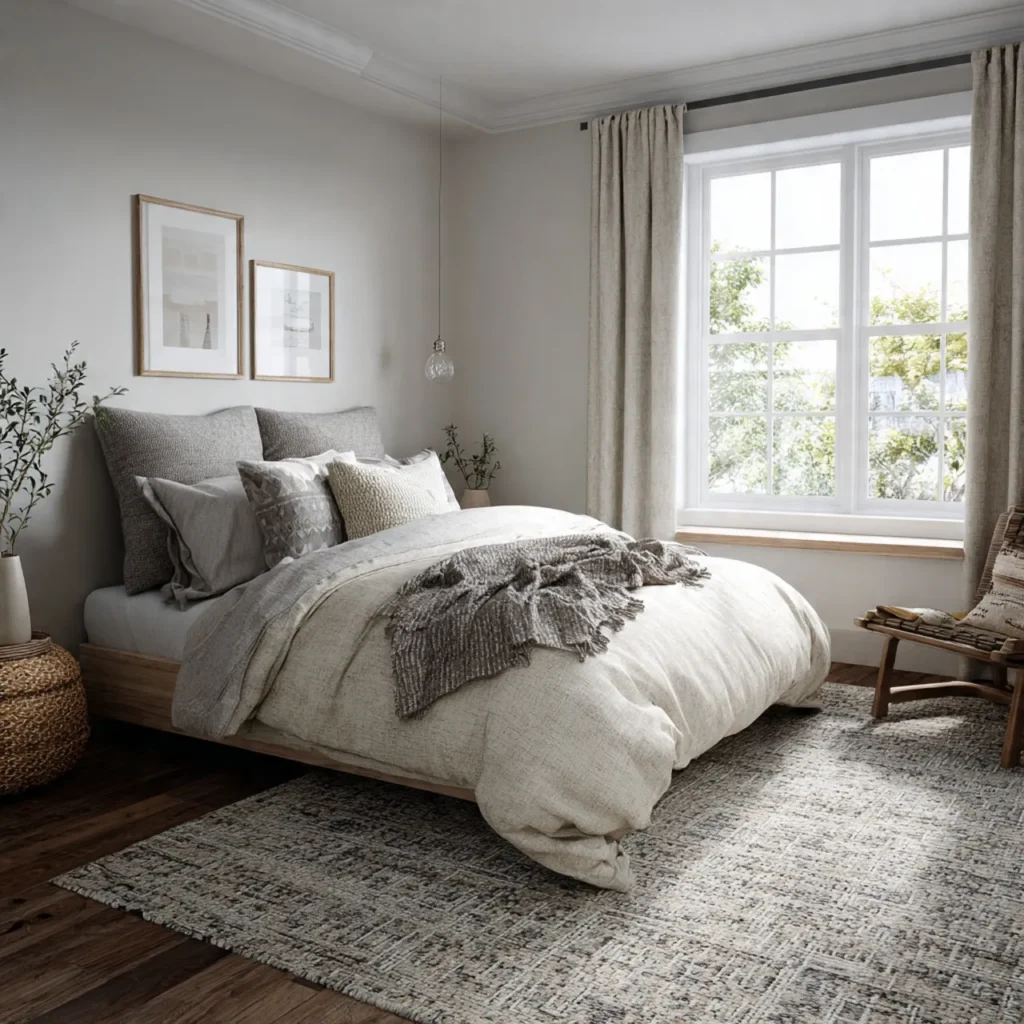
Patterns can add interest, but too many compete for attention. Using pattern sparingly—on one or two elements—keeps the room calm.
In lived-in bedrooms, this might be a patterned rug or pillow that adds depth without overwhelming. Subtle patterns age well and adapt to changes elsewhere in the room. This restraint supports a relaxed, lasting look.
19. Storage that adapts over time
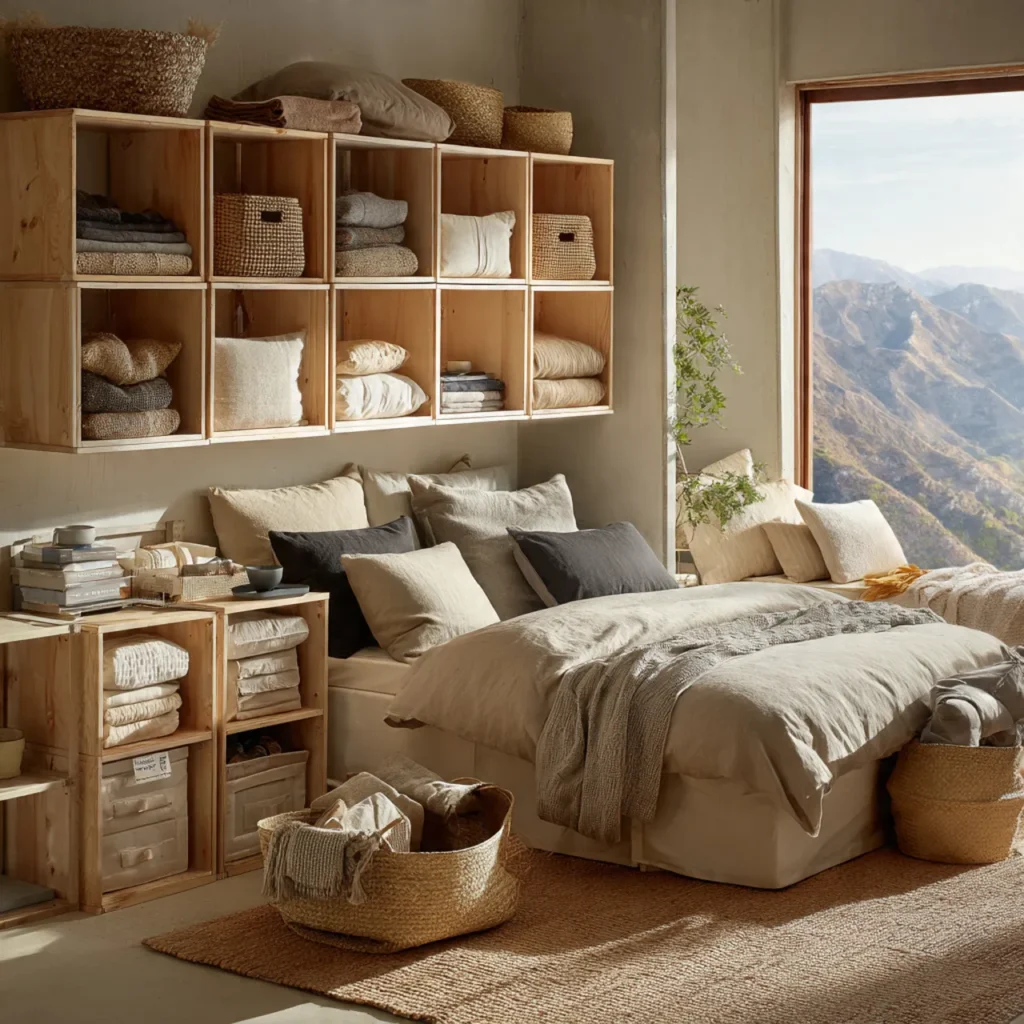
Needs change, and bedroom storage should adapt with them. Adjustable shelves, modular units, or movable containers allow the room to shift without major disruption.
In real life, this flexibility reduces frustration. Items come and go, and storage adjusts accordingly. Over time, adaptable storage supports long-term use without constant reorganization.
20. A focus on comfort over display
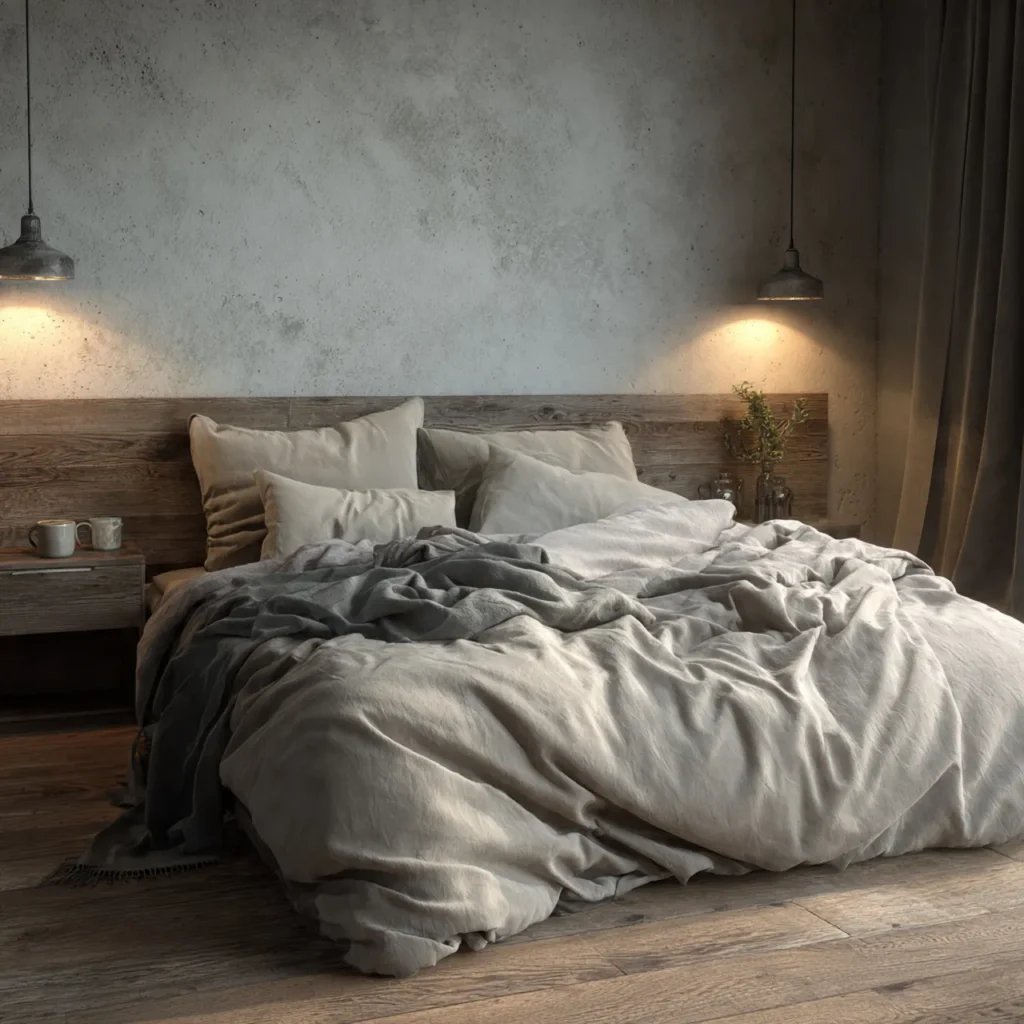
When decorating bedrooms, comfort should lead decisions. Items that feel good to use tend to stay, while purely decorative pieces often get moved or removed.
In everyday homes, this focus results in rooms that feel supportive rather than staged. Comfort-driven choices simplify maintenance and reduce visual pressure. Over time, this creates a bedroom that genuinely serves daily life.
FAQs
How can these ideas work in very small bedrooms?
Focusing on layout and scale matters most in small spaces. Choosing lower furniture, keeping pathways clear, and limiting visual clutter can make a room feel more open. Small adjustments often have a larger impact than adding new items.
Are these ideas renter-friendly?
Many of them rely on placement, layering, and flexibility rather than permanent changes. Using removable elements and existing features allows the room to improve without altering the structure.
What are common bedroom layout mistakes?
Blocking pathways, overcrowding furniture, and relying on one light source are frequent issues. These choices often make rooms feel tighter and less functional over time.
How can color be adjusted without repainting?
Textiles, artwork, and small furniture pieces can shift the color balance. This allows experimentation without committing to permanent changes.
Do these ideas follow trends or last longer?
They focus on comfort and function, which tend to age better than trend-based setups. Subtle updates can refresh the room without overhauls.
How can I refresh my bedroom without spending much?
Rearranging furniture, editing visible items, and adjusting lighting often change the feel of a room without adding anything new.
Can old and new pieces work together?
Yes, when materials or colors relate. Consistency in tone helps different eras feel intentional rather than mismatched.
How do you maintain a calm bedroom over time?
Regular editing and small adjustments keep the space aligned with daily habits. Letting the room evolve gradually prevents buildup and clutter.
Conclusion
Bedrooms work best when they reflect real life rather than an idealized image. The most effective spaces grow from small, thoughtful choices that support how the room is actually used. Mixing ideas instead of copying full setups allows each bedroom to feel personal and adaptable. Comfort, ease of movement, and visual calm often matter more than any single design decision.
Bedroom ideas tend to resonate because they’re flexible. They allow for change without pressure and encourage working with what’s already there. Over time, the room becomes a quiet partner in daily routines rather than a space that demands constant attention. When decorating with this mindset, the bedroom settles into something familiar, supportive, and genuinely lived-in—exactly what everyday homes need.