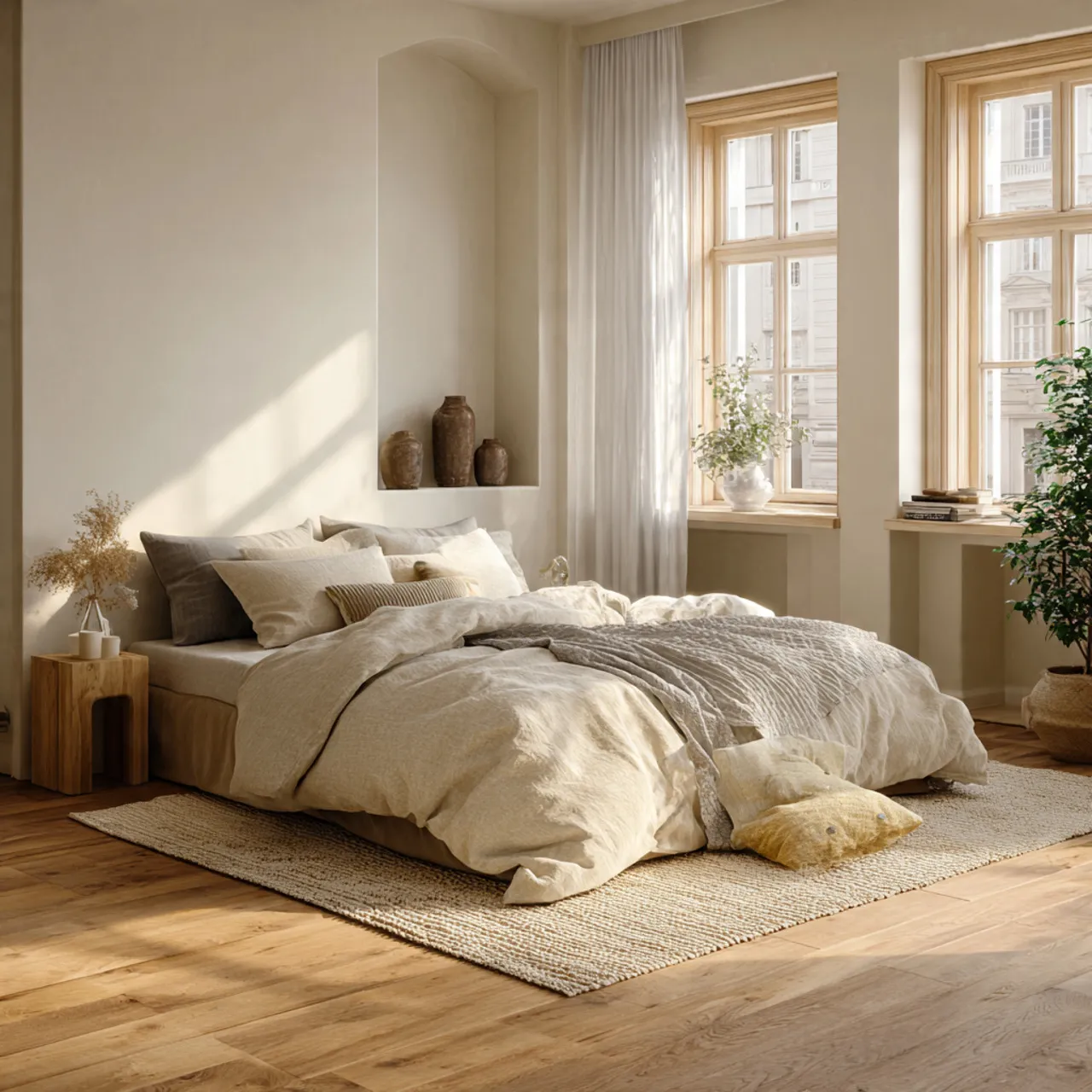
20 Bedroom Decor Ideas to Make Your Room Cozy & Functional
A bedroom should feel like a retreat, a space where comfort and functionality exist side by side. Bedroom decor ideas aren’t just about what looks pretty—they’re about creating a space that fits the way you live. For many of us, bedrooms are small, sometimes shared, and often the last room in the house that gets attention. Yet, even in a limited space, thoughtful touches can make the room feel intentional, cozy, and personal.
When I refresh my own bedroom, I focus on small, manageable changes that bring a sense of calm without turning the space upside down. Whether it’s shifting furniture to make morning routines smoother or layering fabrics to add warmth, each choice shapes how the room feels day to day. People are drawn to bedroom decor ideas because they offer ways to balance comfort, functionality, and style without needing a complete overhaul. The appeal isn’t just visual—it’s about imagining how these ideas would live in a real home, where rooms are used, loved, and sometimes cluttered.
From compact apartments to family homes, even the simplest changes can transform a bedroom into a place where you want to linger. These ideas respect real limitations, focusing on creating spaces that feel both personal and practical.
Importance of Bedroom Decor Ideas
Bedroom decor ideas play a surprisingly large role in how we experience our homes. A well-considered bedroom setup affects more than just aesthetics—it impacts mood, routines, and even sleep quality. When you spend a lot of time in a room, subtle shifts like adjusting furniture for better flow, introducing layered lighting, or softening textiles can make mornings less rushed and evenings more restful.
In small homes, thoughtful decor can prevent the space from feeling cramped. For example, arranging furniture so pathways remain clear or using vertical storage subtly keeps a room functional without overwhelming it. In rentals, decor ideas that don’t require permanent alterations allow you to make a space feel like yours while staying flexible for future changes. Families benefit from bedrooms that accommodate both personal space and shared storage without sacrificing comfort.
Many people save bedroom decor ideas on Pinterest because they show practical possibilities that feel achievable in real homes. They demonstrate how a corner can be transformed into a reading nook, how wall colors can influence mood, or how layering textures creates warmth. The best ideas are adaptable—they can fit different lifestyles, room sizes, and personal habits.
Ultimately, these ideas are not about perfection. They are about making spaces usable, calming, and welcoming. Each change, no matter how small, influences how a room feels, how routines flow, and how the space supports daily life. The appeal lies in their ability to feel lived-in, not staged, offering inspiration that’s immediately relatable to anyone looking to make their bedroom feel more like home.
20 Bedroom Decor Ideas
1. Layered Bedding for Cozy Comfort
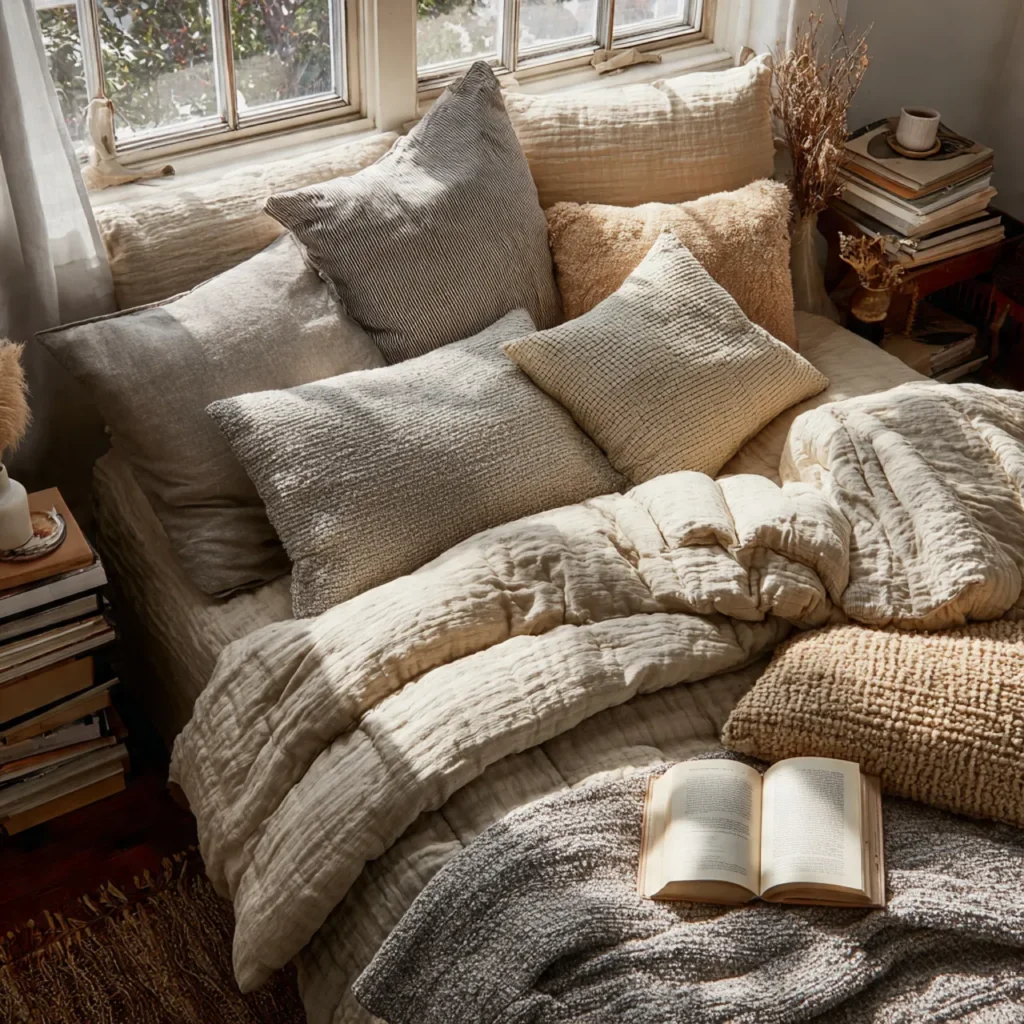
Adding multiple layers of blankets, quilts, and pillows instantly changes the feel of a bedroom. In real homes, layering doesn’t mean clutter—it’s about balance. A soft throw at the foot of the bed, a couple of textured pillows, and a lightweight quilt make mornings and evenings feel more inviting. Layered bedding also allows flexibility: you can adjust warmth easily without rearranging furniture, keeping the space both practical and comfortable.
2. Using Rugs to Define Zones
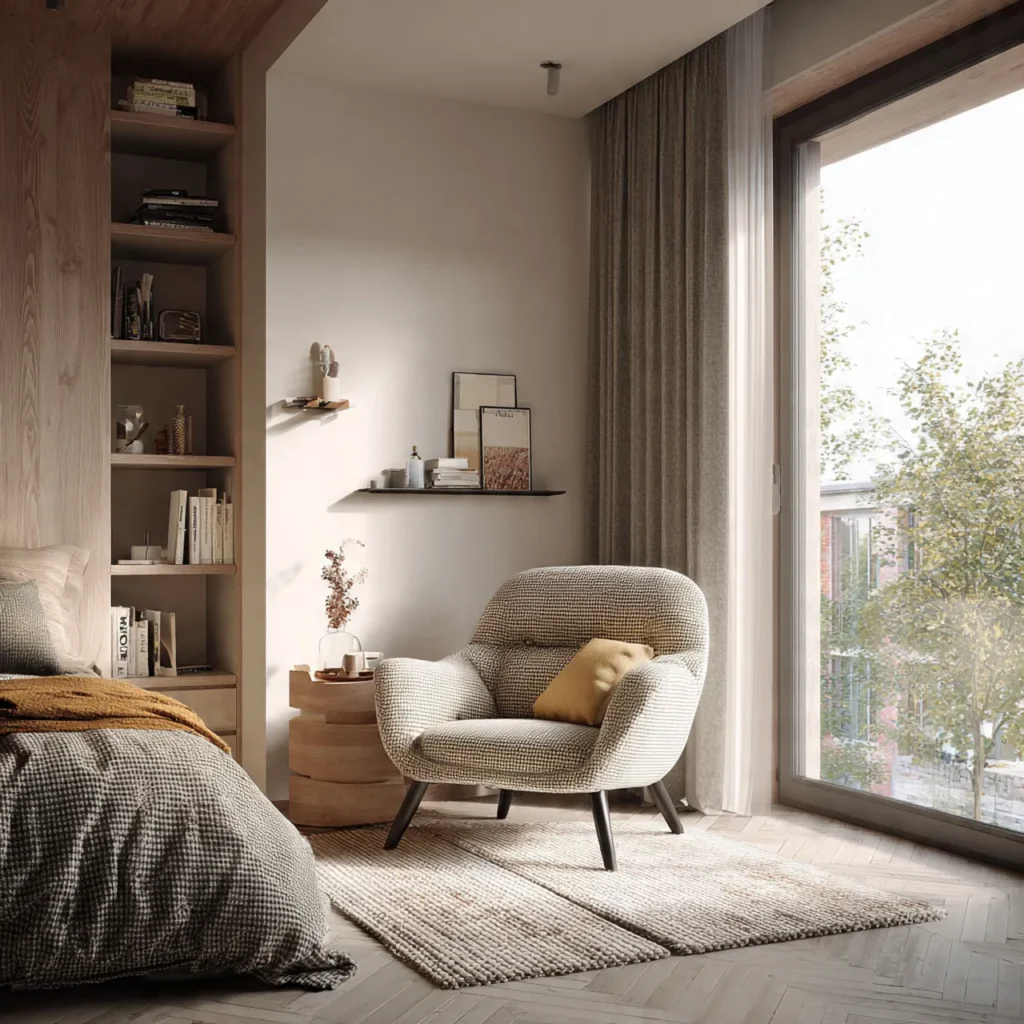
In small bedrooms, rugs can subtly define areas, like a reading corner or bedside space. A rug adds softness underfoot while visually separating parts of the room without walls. Opt for rugs that fit naturally in the layout, leaving pathways clear and enhancing light reflection. The practical benefit is warmth and comfort, particularly in rooms with hard flooring, while still keeping furniture placement simple and functional.
3. Minimalist Nightstands for Clarity
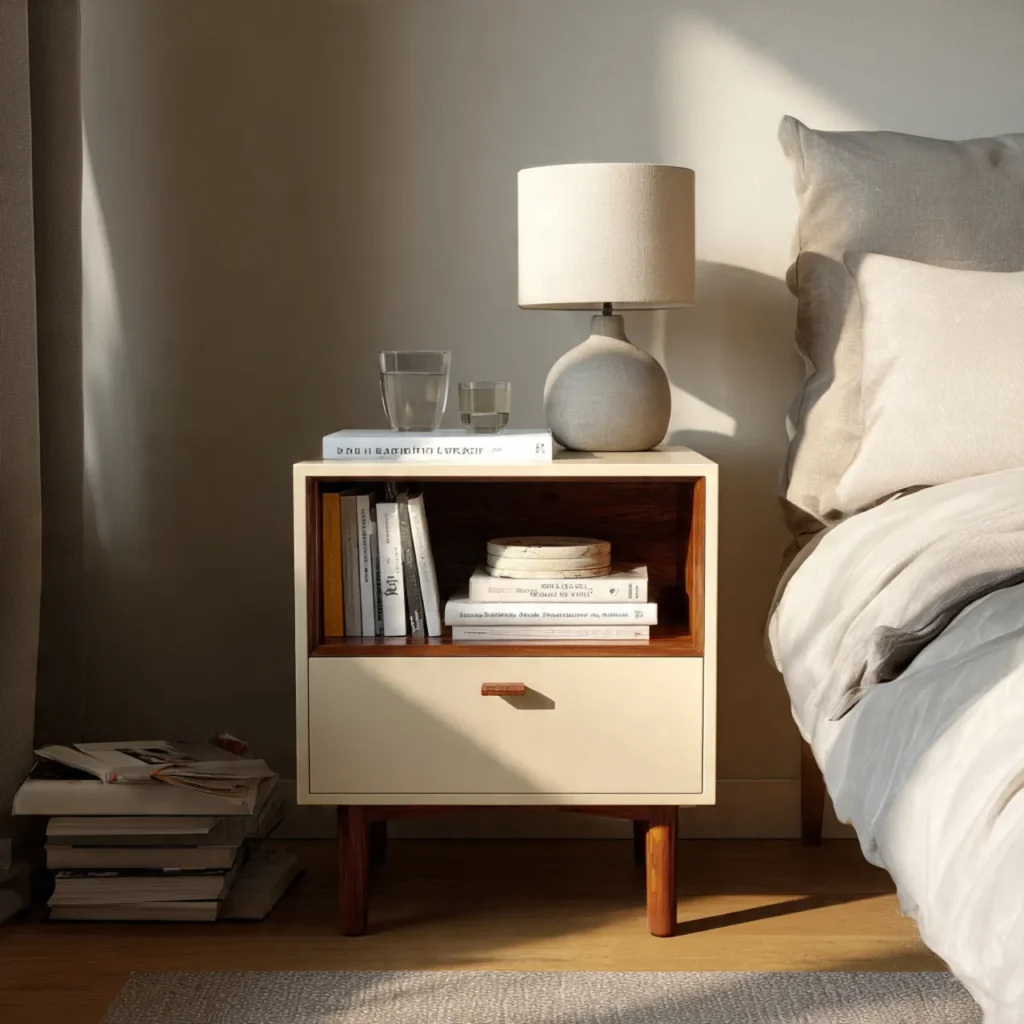
A nightstand doesn’t have to be large to be useful. In lived-in homes, small nightstands keep essentials—lamp, book, water—close by without crowding the room. Choosing pieces with drawers or shelves can subtly contain items that would otherwise create clutter, helping maintain a sense of calm. The idea works in tiny apartments or shared spaces, giving everyone a defined personal spot.
4. Light Layering with Curtains
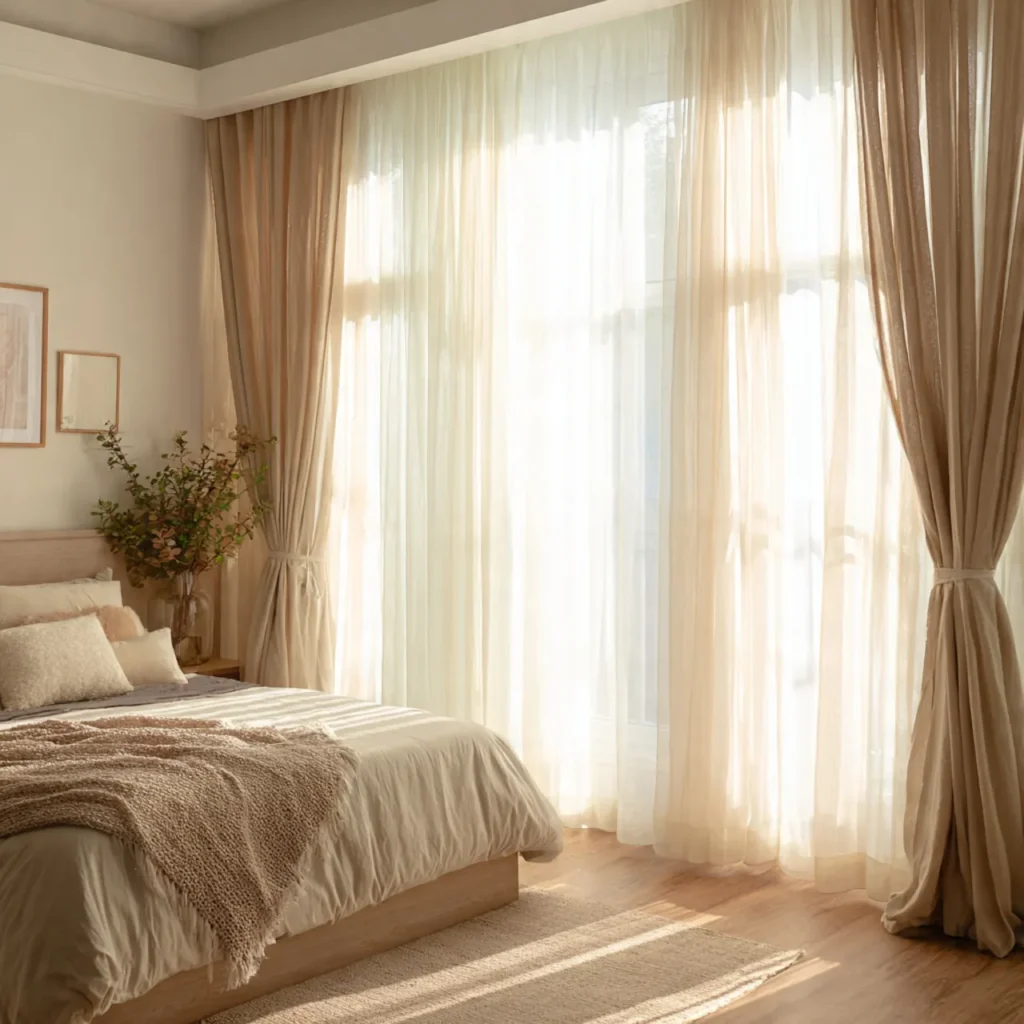
Soft, layered curtains influence light and mood. In reality, homes aren’t perfectly bright or dim—they fluctuate. Sheer panels paired with heavier drapes allow control over natural light while adding texture. In small bedrooms, lightweight fabrics keep the space feeling open, and layered curtains prevent harsh glare or late-morning sun from disturbing sleep. They’re practical, comfortable, and visually gentle.
5. Functional Wall Art
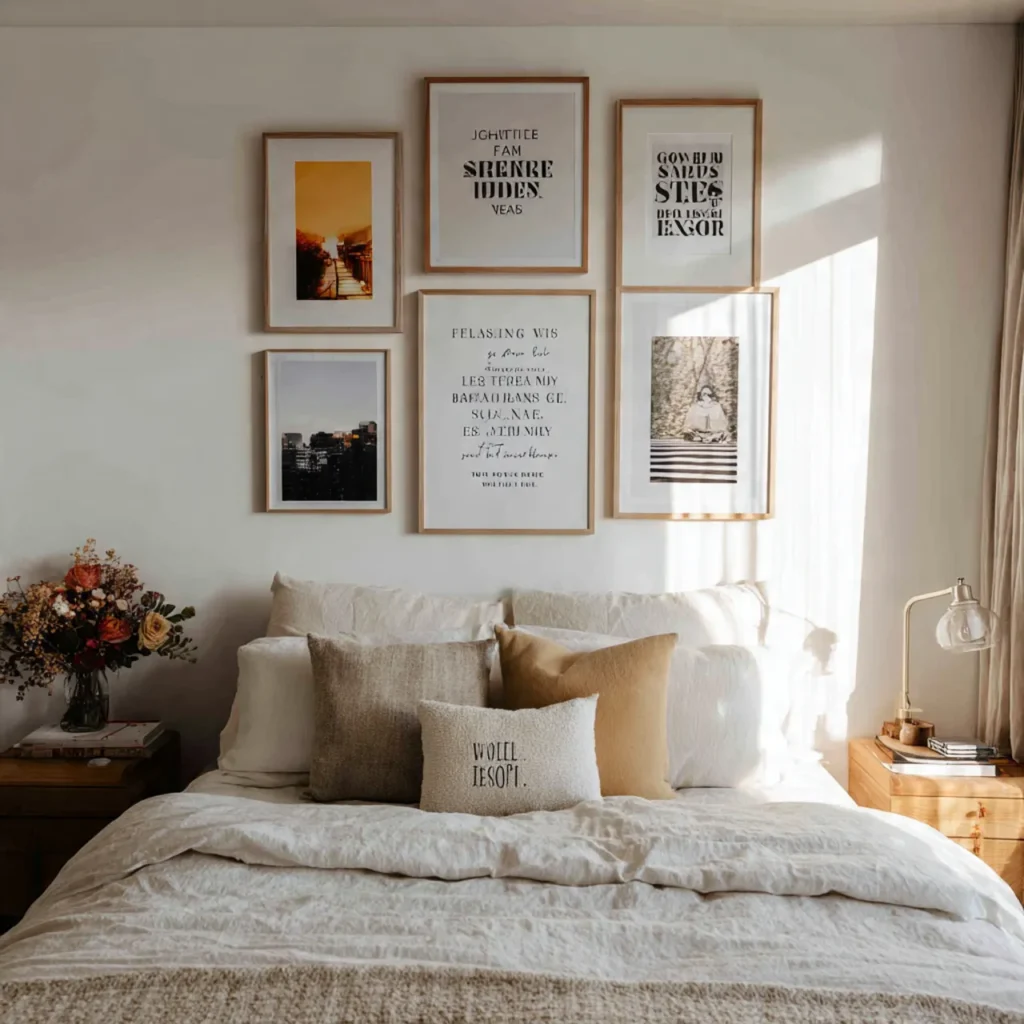
Art doesn’t have to be expansive or pricey. Simple framed prints or personal photos create focal points without overwhelming a bedroom. In smaller rooms, grouping a few pieces together balances empty walls, adding personality without clutter. Functional choices like magnetic boards or cork panels can mix decor with practicality, offering reminders or inspiration without feeling staged.
6. Corner Reading Nooks
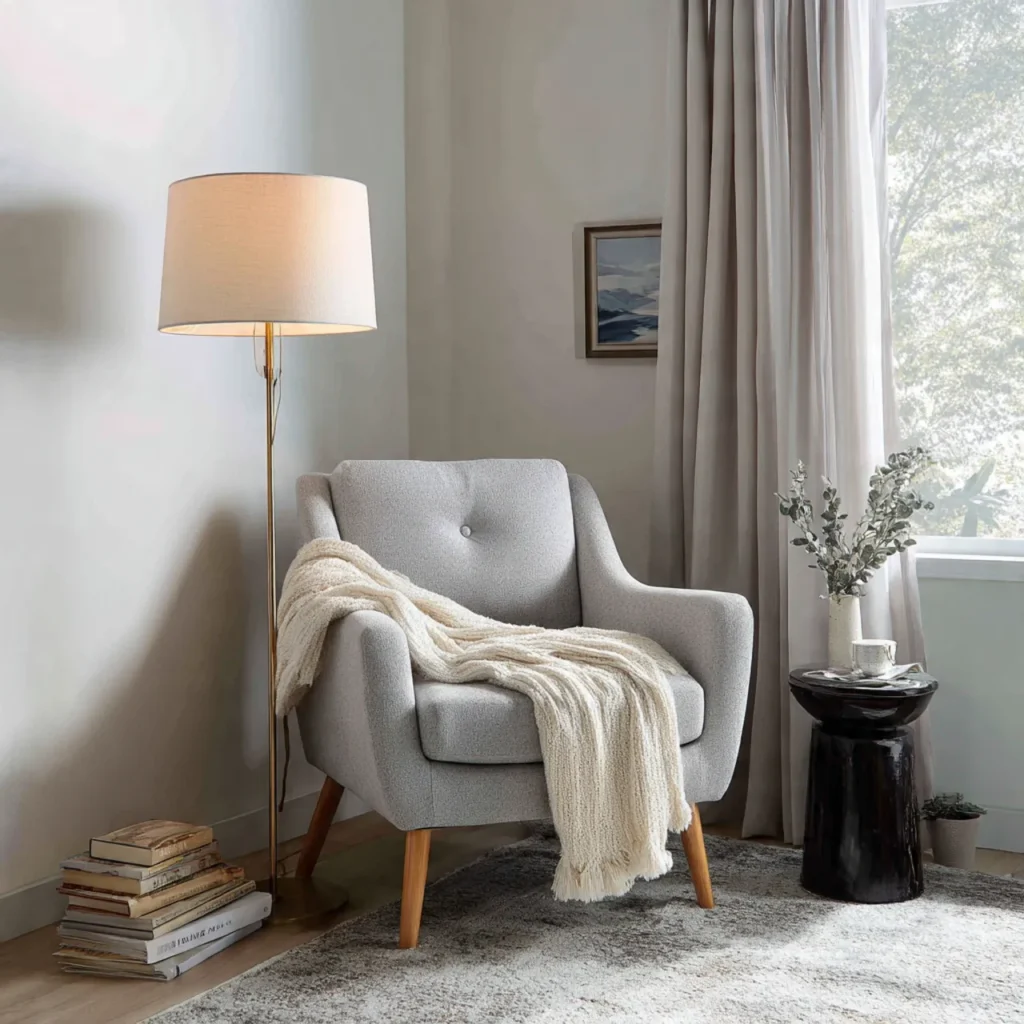
Even a modest bedroom can include a reading nook. A single chair, small lamp, and side table in a corner create a retreat for evenings. This setup doesn’t require extra space—choosing compact furniture and keeping the area free from unnecessary items ensures the nook is usable daily. It encourages relaxation while adding a subtle functional layer to the room’s layout.
7. Neutral Walls with Texture
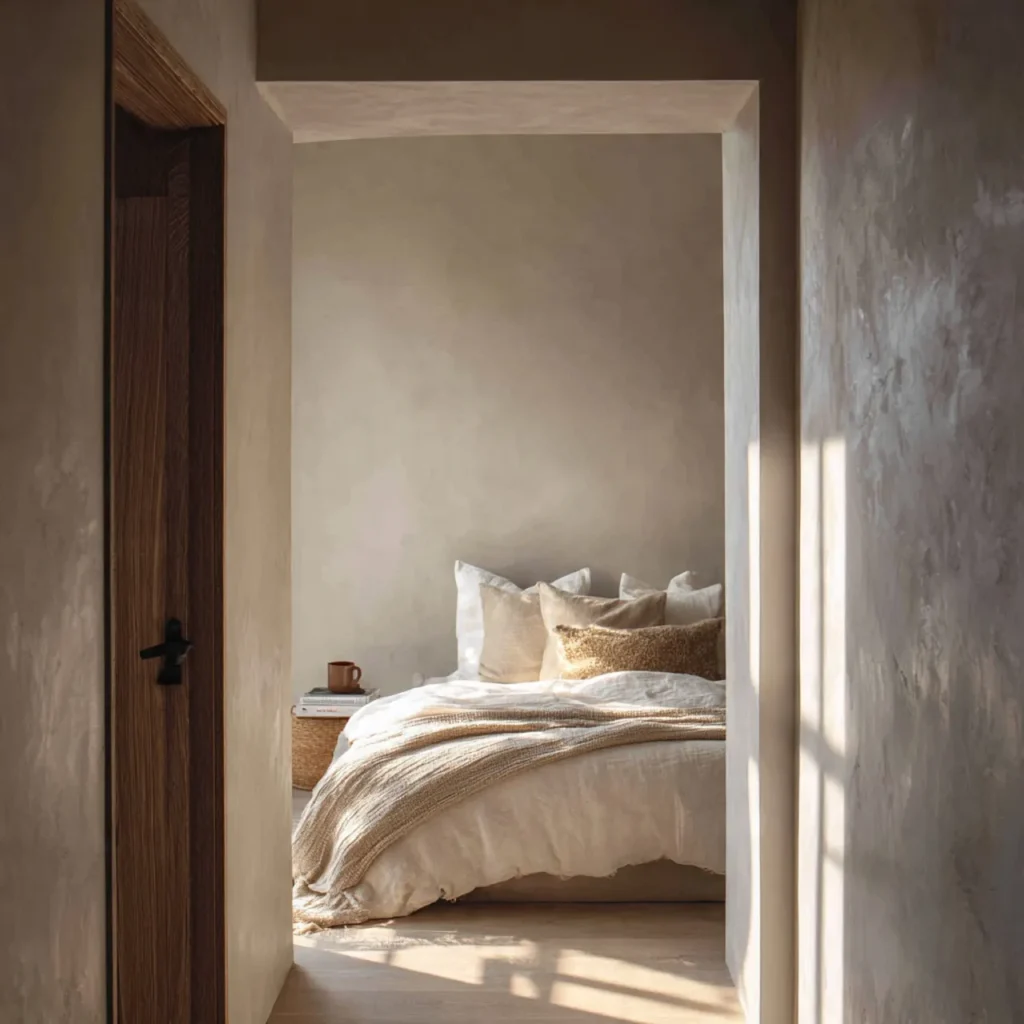
Neutral walls allow other elements to shine while maintaining calm. Real homes benefit from soft, textured surfaces—like matte paints or plaster finishes—that prevent a space from feeling sterile. This approach adapts well to small rooms, rentals, or shared bedrooms because it provides a flexible backdrop for changing decor without needing major renovations.
8. Practical Under-Bed Storage
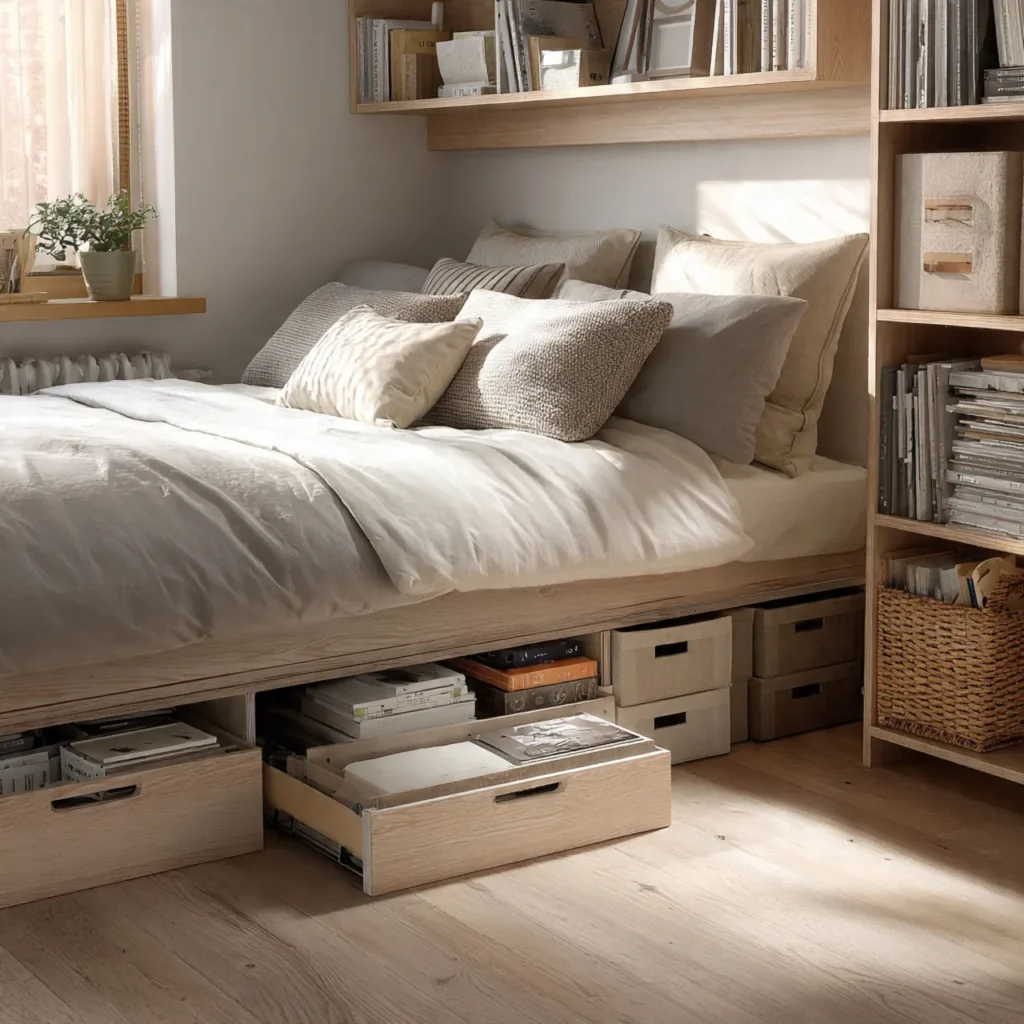
Under-bed storage maximizes small spaces without making a room feel cluttered. In everyday life, boxes or drawers under the bed store seasonal clothing, extra bedding, or personal items. The key is keeping storage organized and accessible, so it contributes to a tidy appearance while serving real household needs.
9. Soft Lighting Layers
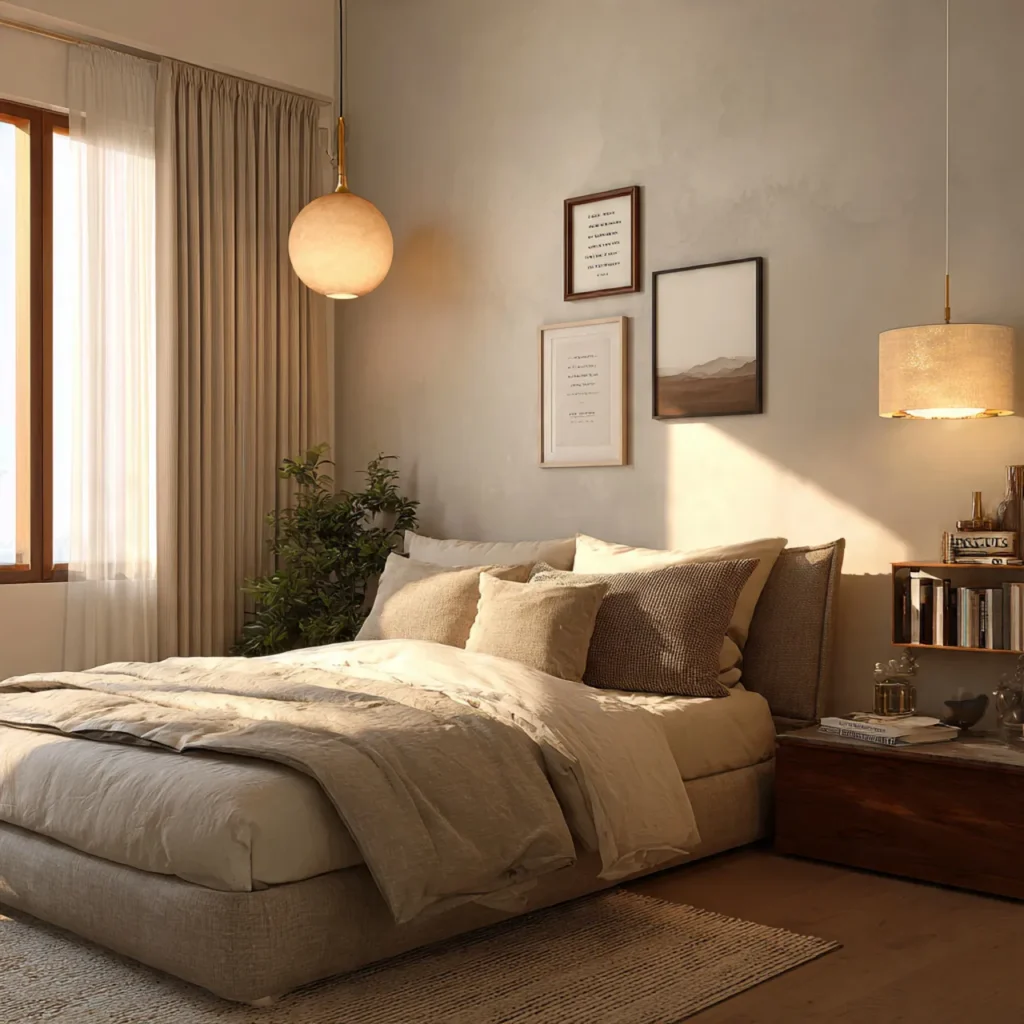
Using multiple light sources—overhead, bedside, and accent lamps—creates a room that can adapt throughout the day. Real bedrooms benefit from adjustable lighting: mornings need brightness for routines, while evenings require softer tones. This layering enhances mood, highlights textures, and improves daily usability without relying on a single harsh light source.
10. Multipurpose Furniture
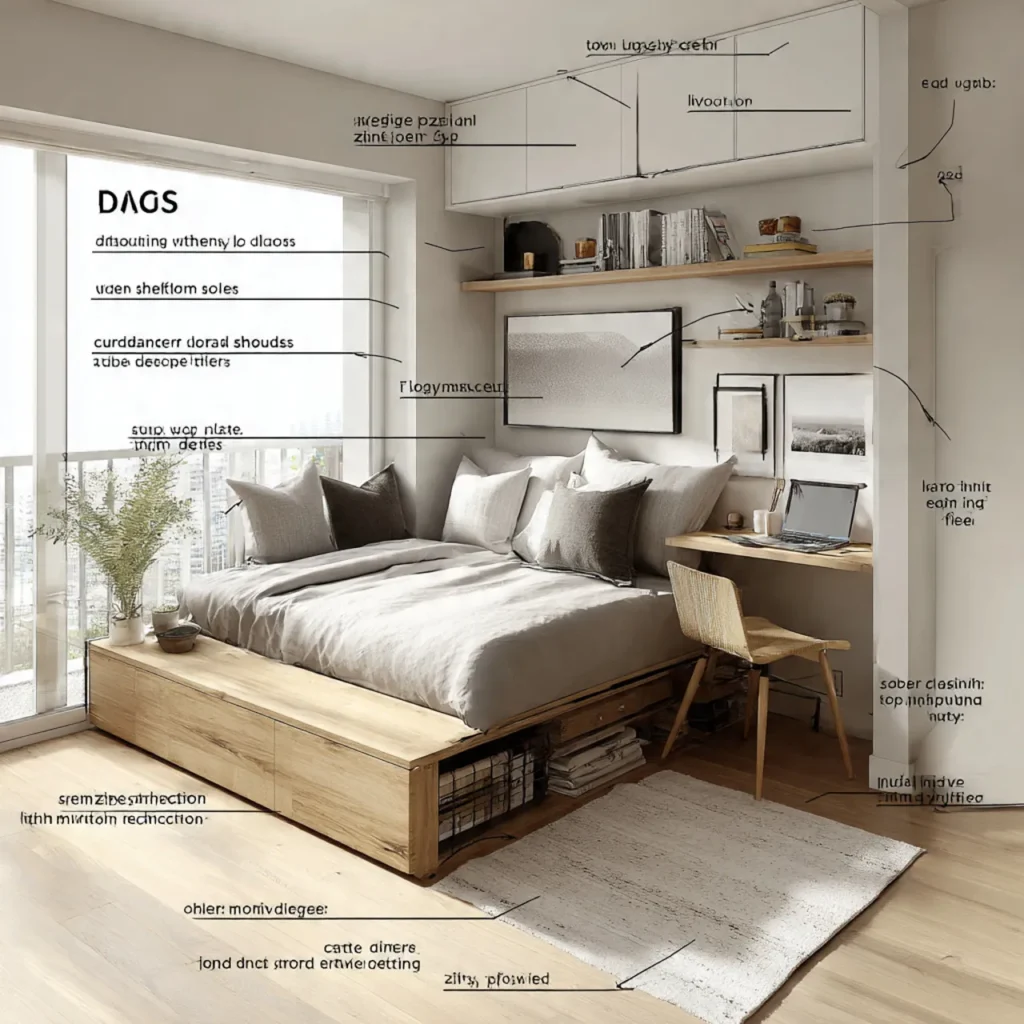
Pieces that serve multiple functions, like a bench doubling as storage or a fold-out desk, help rooms feel spacious. In lived-in homes, this keeps surfaces clear while maintaining comfort and flow. Multipurpose furniture is particularly useful for shared or small bedrooms, providing flexibility without sacrificing aesthetics.
11. Rotating Seasonal Textiles
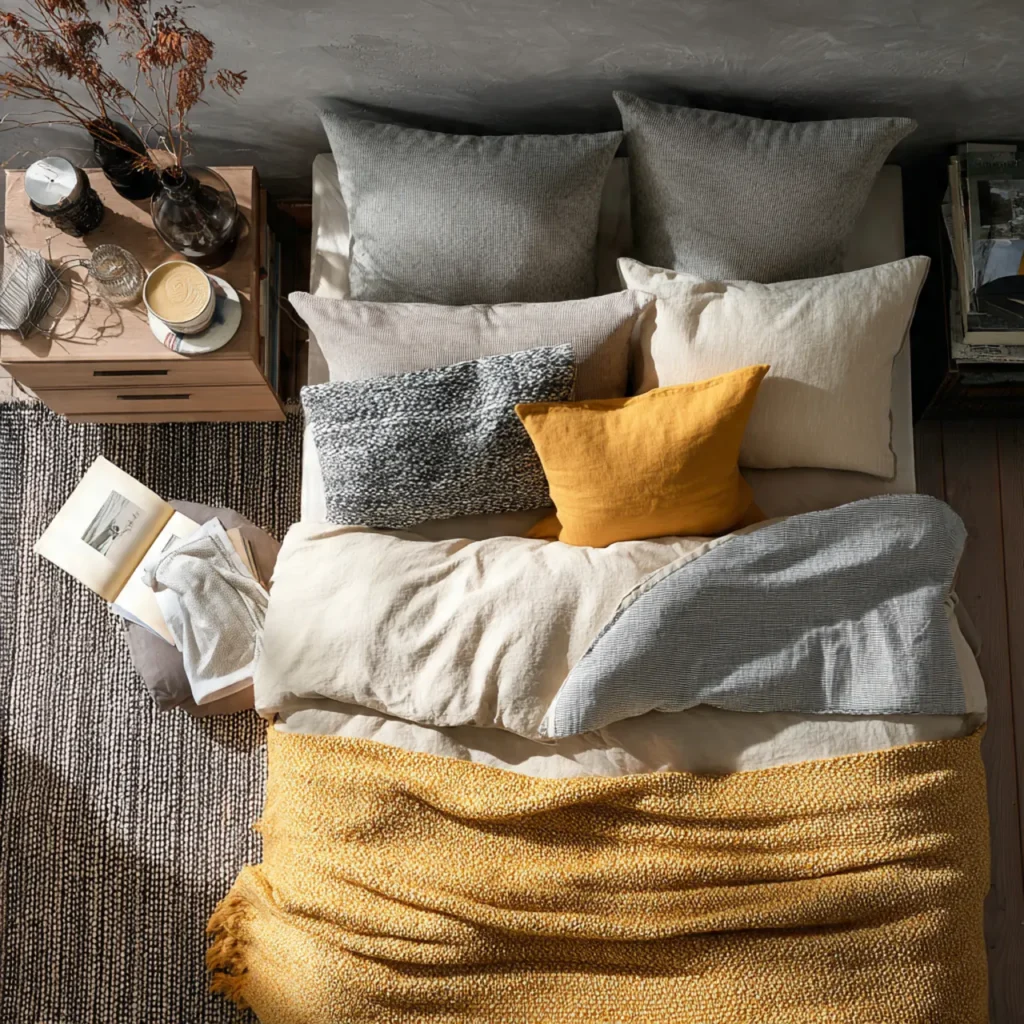
Switching pillow covers, throws, or light blankets seasonally refreshes a room without large changes. In practice, it keeps the bedroom feeling current while adjusting to comfort needs. This approach works for anyone—from renters to families—because it requires minimal effort, no structural changes, and allows a gradual evolution of the room’s atmosphere.
12. Subtle Color Accents
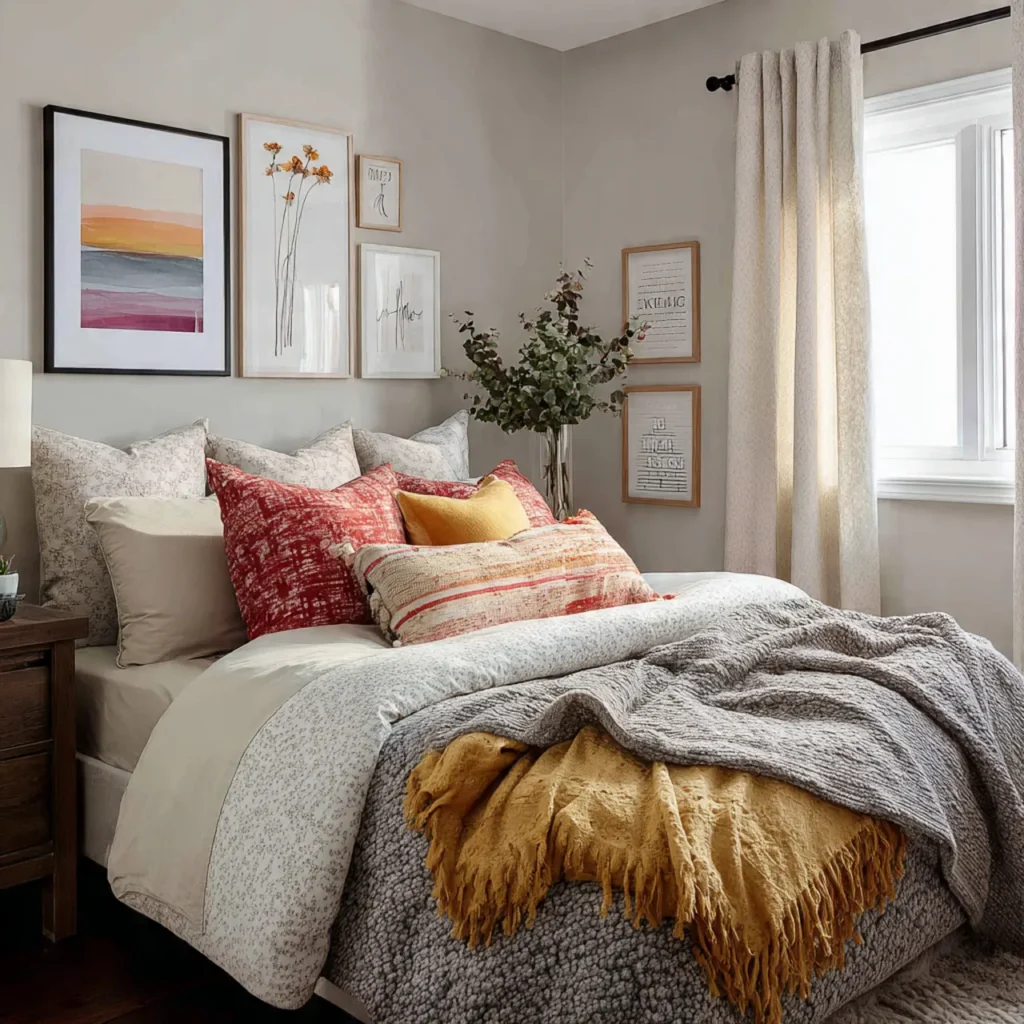
Incorporating color through small details—pillows, lamps, or artwork—adds personality without overwhelming a space. Real bedrooms benefit from this restrained approach, which can be updated or rotated easily. It keeps rooms feeling alive and personal while staying flexible for future changes or different moods.
13. Mirrors to Expand Space
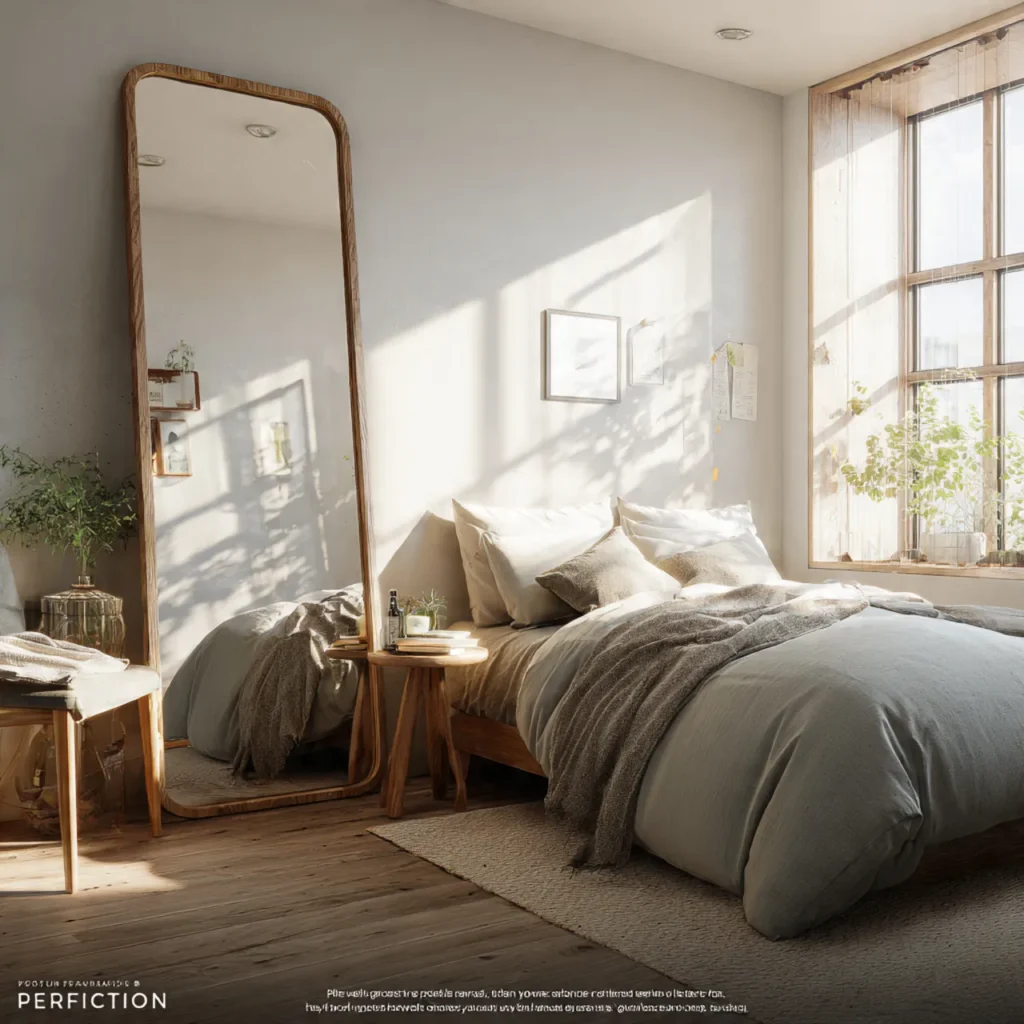
Strategically placed mirrors make rooms feel larger and reflect light naturally. In practice, a mirror across from a window or near a light source enhances brightness while maintaining visual openness. This is particularly effective in small bedrooms or rentals where permanent structural changes aren’t possible, providing a sense of depth and airiness.
14. Organized Closet Spaces
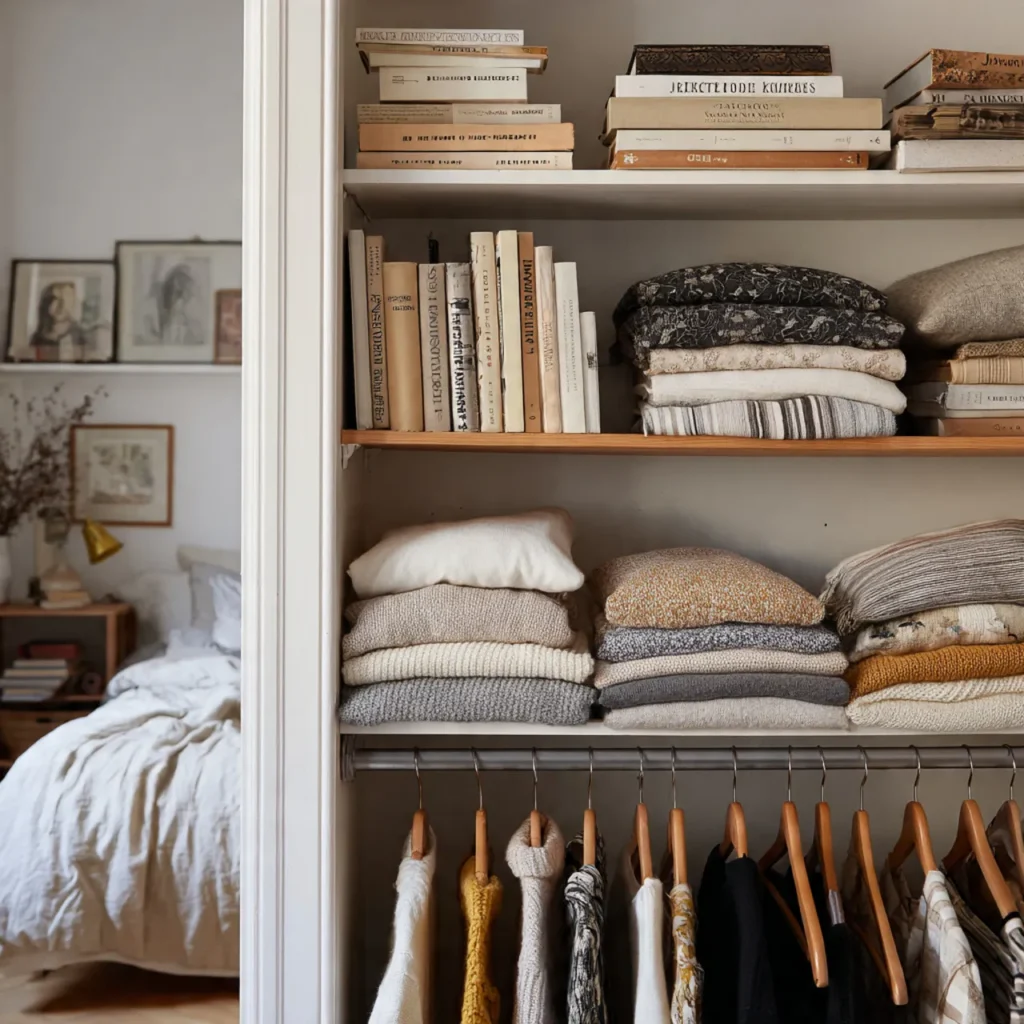
Closet organization impacts the bedroom’s overall feel. In everyday life, tidy shelves, clear containers, and consistent folding techniques reduce clutter overflow. Even small bedrooms see a big improvement in calmness when clothing and accessories are kept orderly, showing how practical storage choices directly support a more relaxed environment.
15. Personal Touches on Shelves
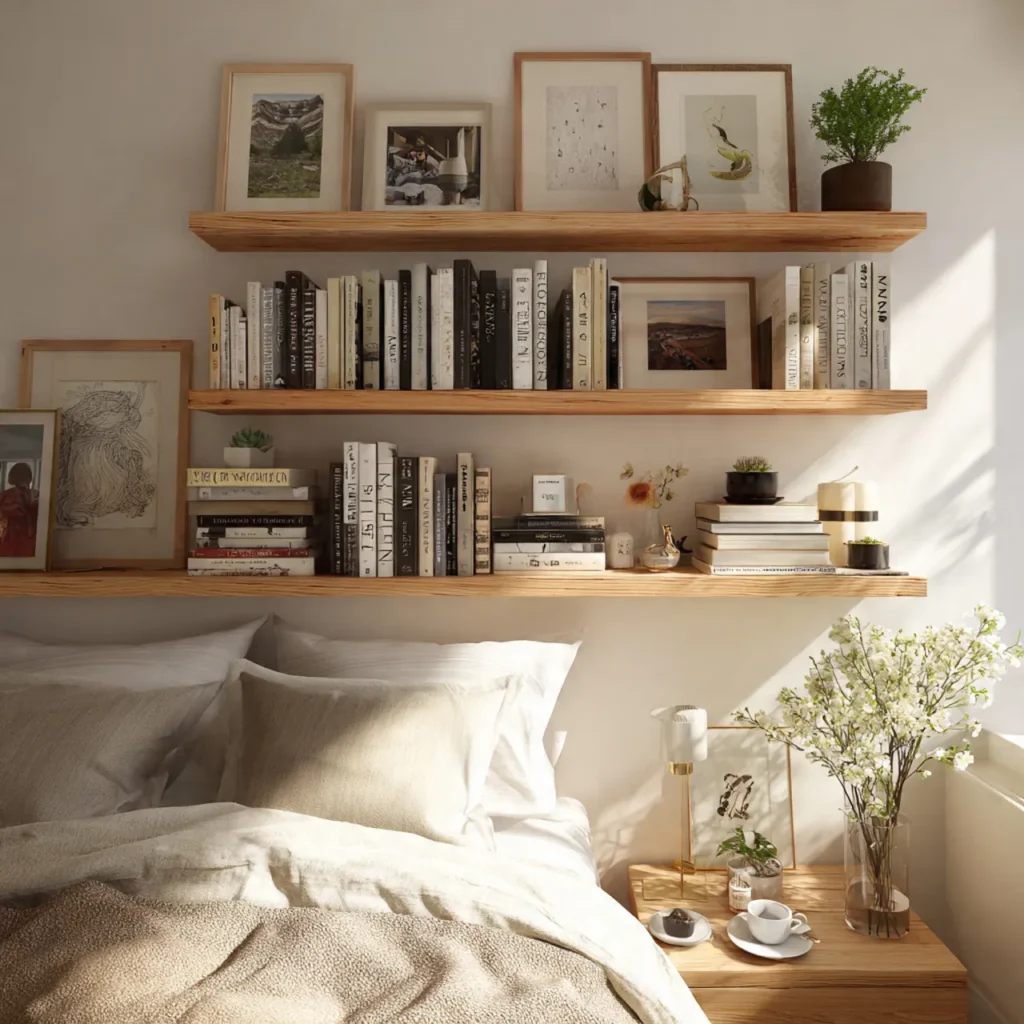
Open shelving allows personal items—photos, plants, books—to show without feeling crowded. Observing real homes, balance is key: avoid filling every inch and leave breathing space. This gives a lived-in charm while maintaining room flow, helping the bedroom feel like an intentional space rather than a display.
16. Headboard as a Focal Point
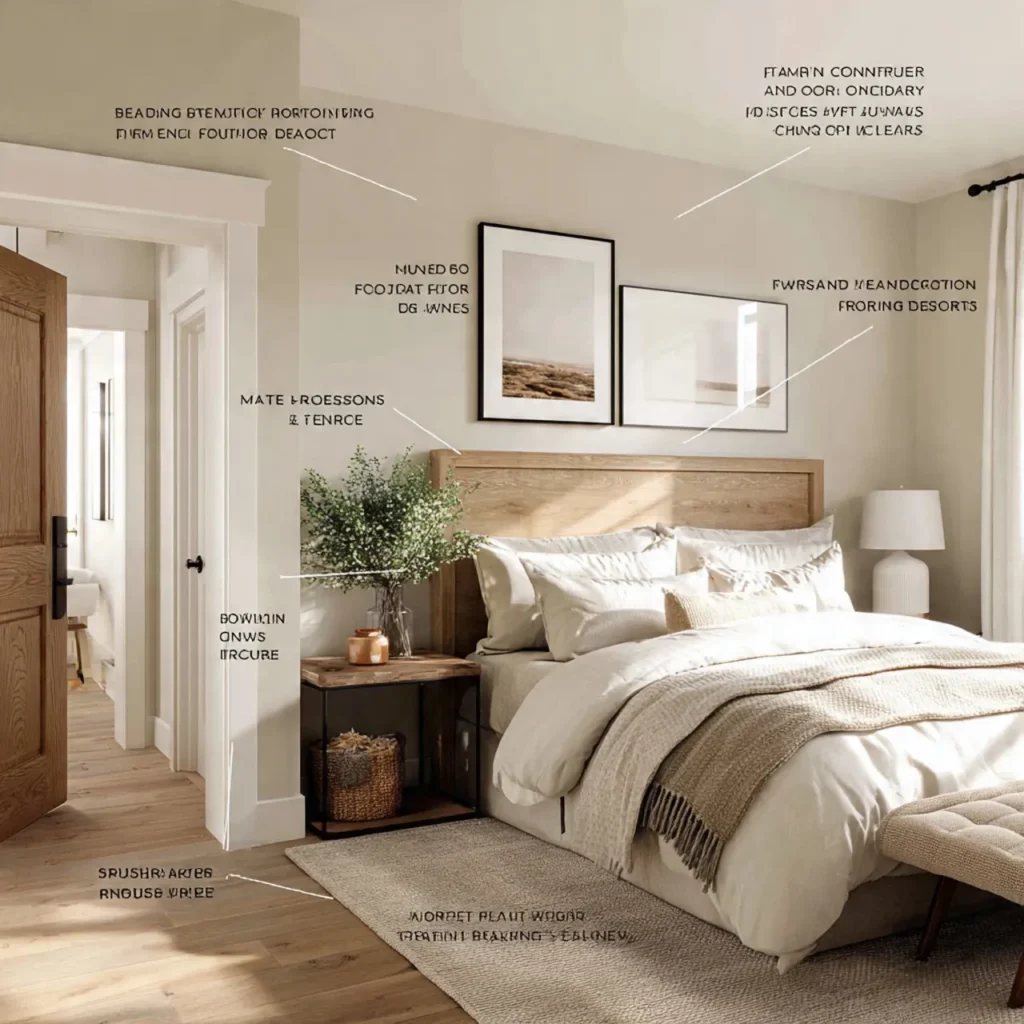
A headboard, even simple or DIY, anchors the bed and defines the room. Real bedrooms benefit from this visual anchor because it guides furniture placement and draws the eye naturally. It also creates a sense of enclosure and comfort without requiring complicated styling, making the space feel intentional.
17. Small Plants for Life
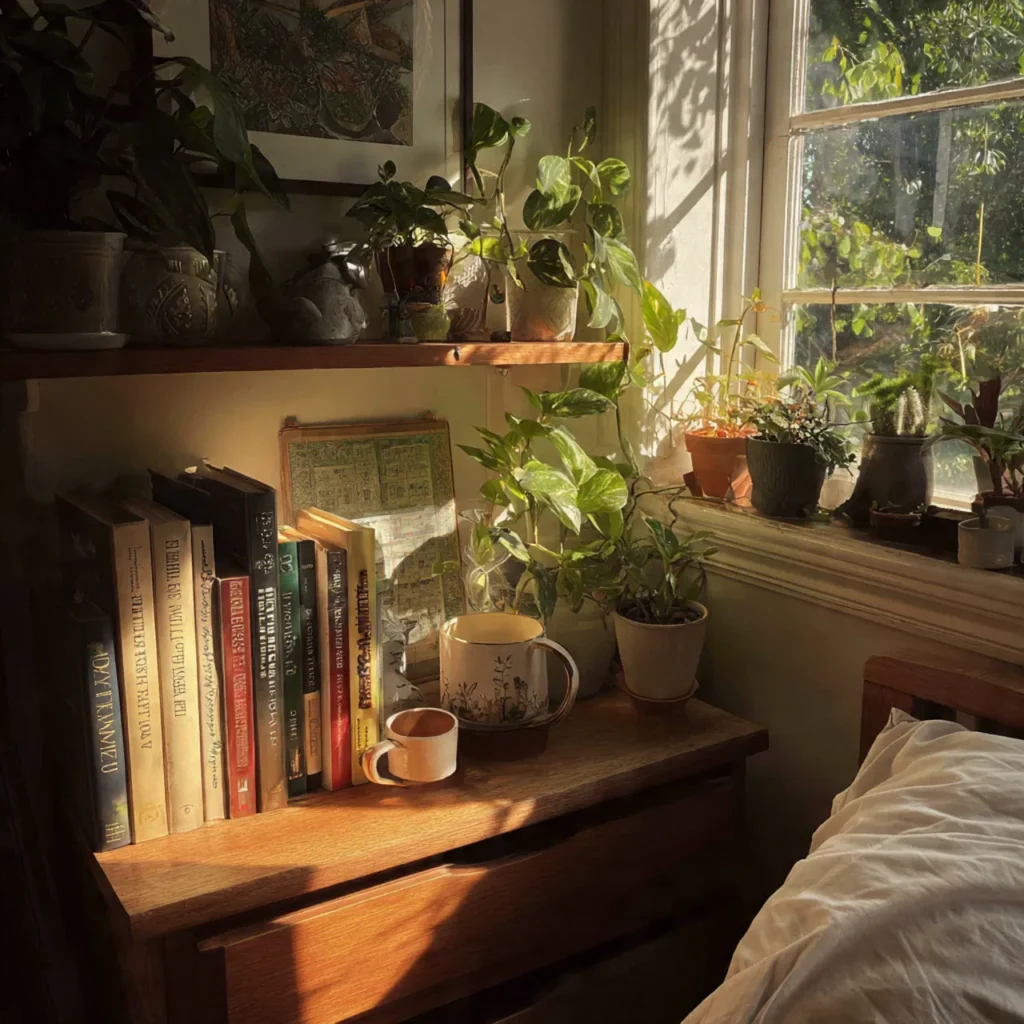
Adding greenery instantly livens up a bedroom. In practical terms, low-maintenance plants improve air quality and offer visual calm. Placement matters: a small potted plant on a nightstand or windowsill adds life without encroaching on usable space, keeping the room functional and fresh.
18. Layering Textures
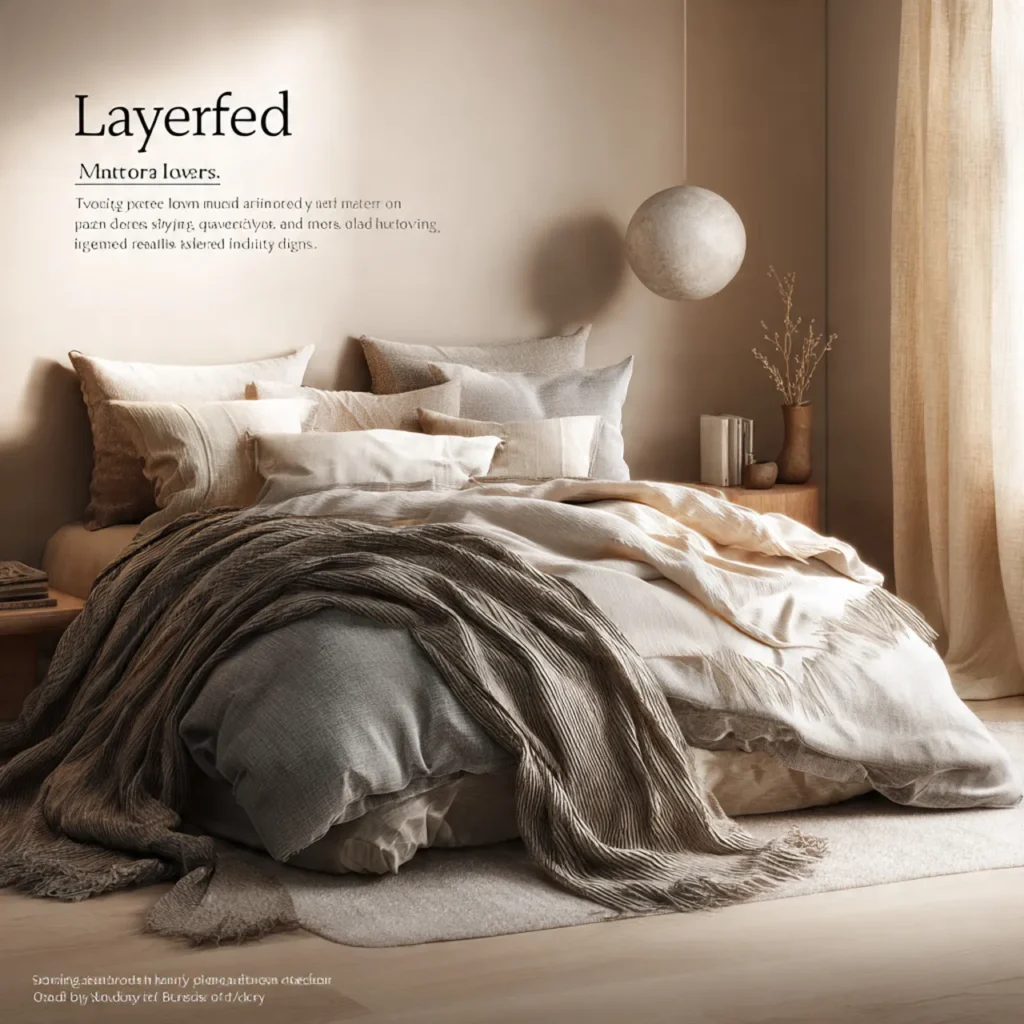
Combining materials—linen, wool, cotton, wood—adds depth without clutter. In real homes, texture influences comfort and flow: soft rugs, woven throws, and smooth sheets work together to create a cozy environment. This layering is subtle yet transformative, making a room feel richer and more inviting.
19. Adjustable Furniture Layouts
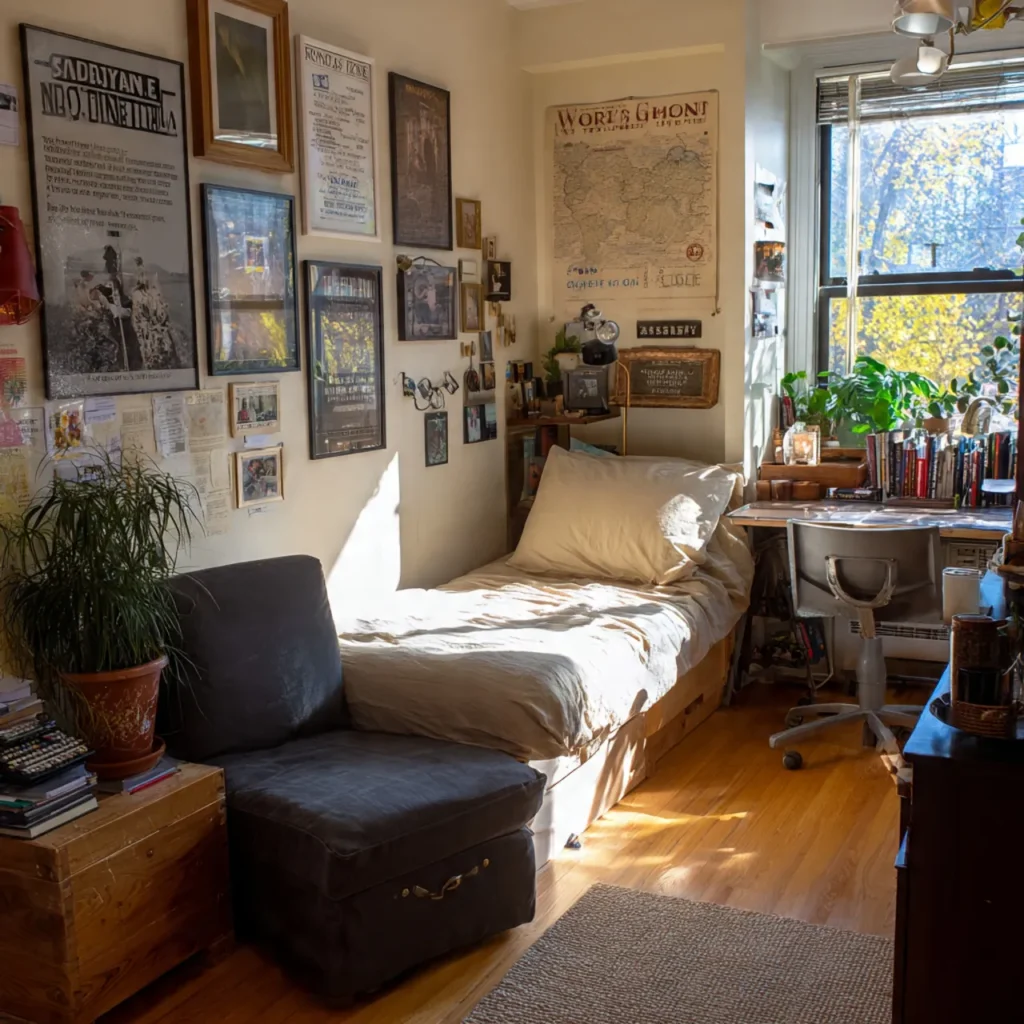
Being able to rearrange furniture supports changing needs. A bed moved for better light, a chair swapped for workspace, or a table adjusted for guests reflects the reality of lived-in homes. This approach prioritizes function over perfection, keeping daily life smooth while allowing small updates to the space.
20. Creating Visual Balance
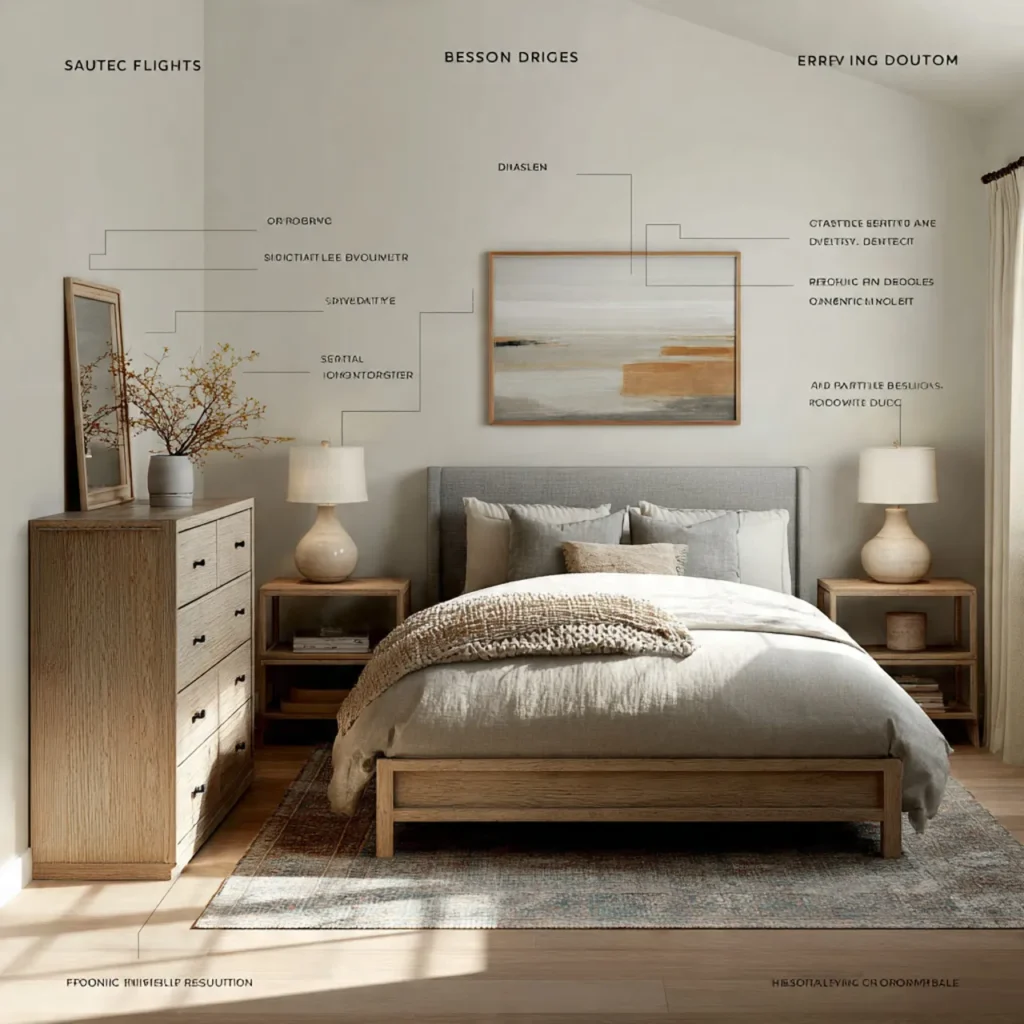
Distributing visual weight prevents a bedroom from feeling heavy on one side. Real homes achieve balance by offsetting furniture, combining tall and low pieces, and spacing decor thoughtfully. This simple principle ensures the room feels harmonious, comfortable, and easy to live in daily, without requiring drastic changes.
FAQs
1. How can bedroom decor ideas work in small spaces?
Use furniture that’s proportional, choose vertical storage, and keep pathways clear. Layered textiles and subtle lighting enhance comfort without crowding. Even simple decor adjustments, like mirrors or rugs, can make the space feel larger and more functional while maintaining a lived-in look.
2. Are these ideas renter-friendly?
Yes. Focus on temporary, non-invasive changes: removable hooks, lightweight curtains, freestanding shelves, and textiles. They personalize a space without permanent alterations, allowing flexibility while keeping the room functional and cozy.
3. What are common styling mistakes to avoid?
Overcrowding surfaces, heavy dark furniture in small rooms, or too many patterns can make a bedroom feel chaotic. In reality, leaving breathing space, balancing textures, and prioritizing functional pieces creates a calmer, more practical environment.
4. Can colors or materials be swapped easily?
Absolutely. Pillows, throws, rugs, and artwork can be updated seasonally or as moods change. Small swaps refresh the room without extensive effort or cost, letting the bedroom evolve naturally with everyday life.
5. How do trends affect long-term comfort?
Trends come and go, but bedrooms should prioritize usability and comfort. Subtle nods to current styles—like color accents or minimal furniture tweaks—allow for a modern feel without compromising a room’s livability over time.
6. How to refresh a bedroom on a budget?
Focus on textiles, rearranging furniture, adding lighting layers, or rotating small decor items. These changes are low-cost but impactful, keeping the space cozy and functional without major investments.
7. Can old and new items be mixed successfully?
Yes. Blend vintage furniture, family pieces, or handmade items with newer decor. In real homes, this creates personality and authenticity, making a bedroom feel lived-in while maintaining balance and flow.
8. How can I maintain the look over time?
Regularly declutter, rotate bedding, clean textiles, and reassess furniture placement. Practical upkeep ensures a bedroom stays functional, comfortable, and visually pleasant, reflecting everyday life rather than staged perfection.
Conclusion
Bedroom decor ideas are most useful when treated as flexible inspiration rather than rigid rules. A room evolves with the people who live in it, and small adjustments—layering textiles, shifting furniture, balancing light—can transform a space over time. Combining multiple ideas, rather than copying a single setup, keeps the bedroom practical and personal.
In real homes, comfort, usability, and a sense of calm matter more than visual perfection. A cozy corner, thoughtful textures, or simple color accents can make mornings and evenings feel smoother and more inviting. By keeping changes realistic, adjusting to daily life, and layering small, intentional details, bedroom decor ideas become not just decorative, but genuinely lived-in and supportive of everyday routines.